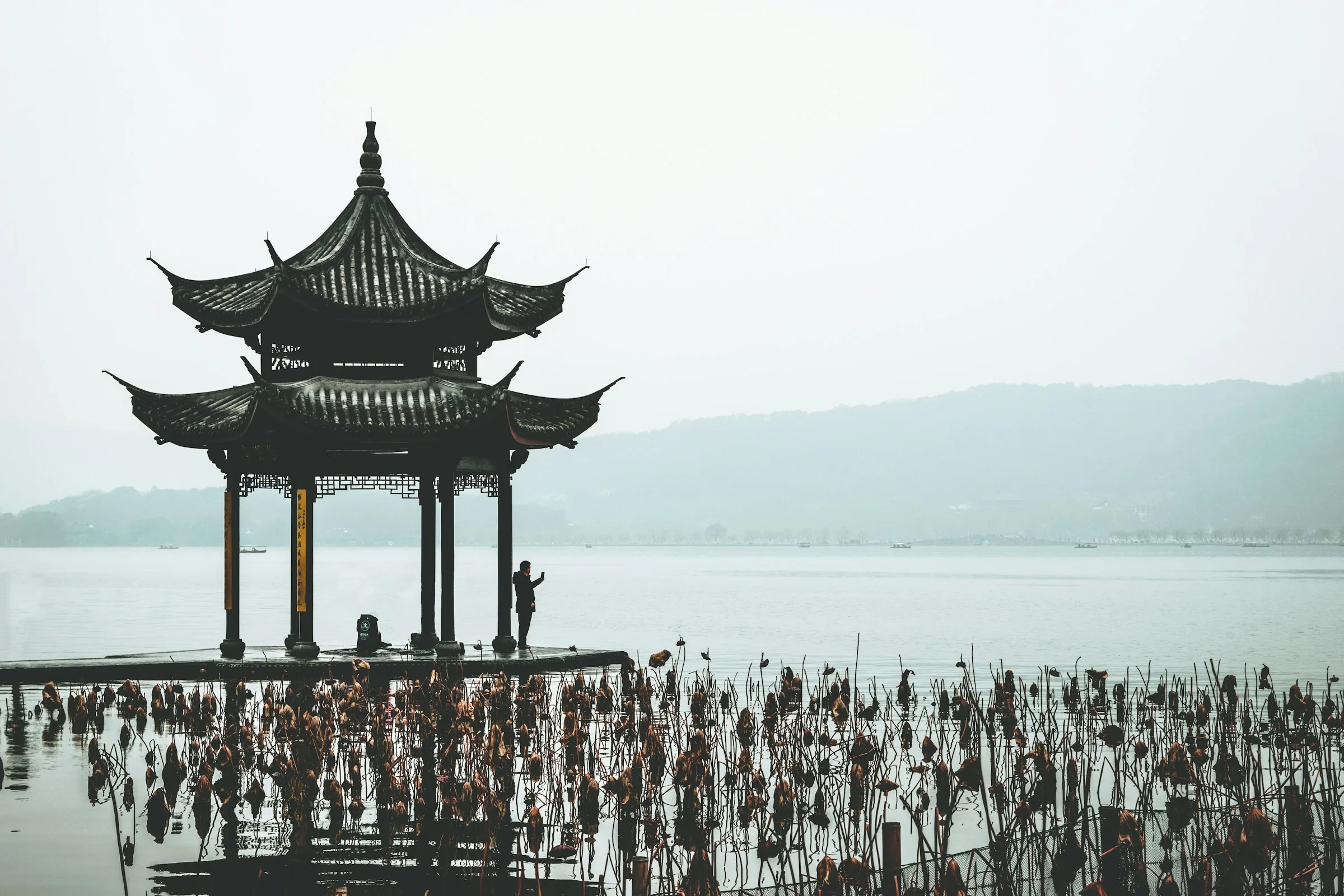
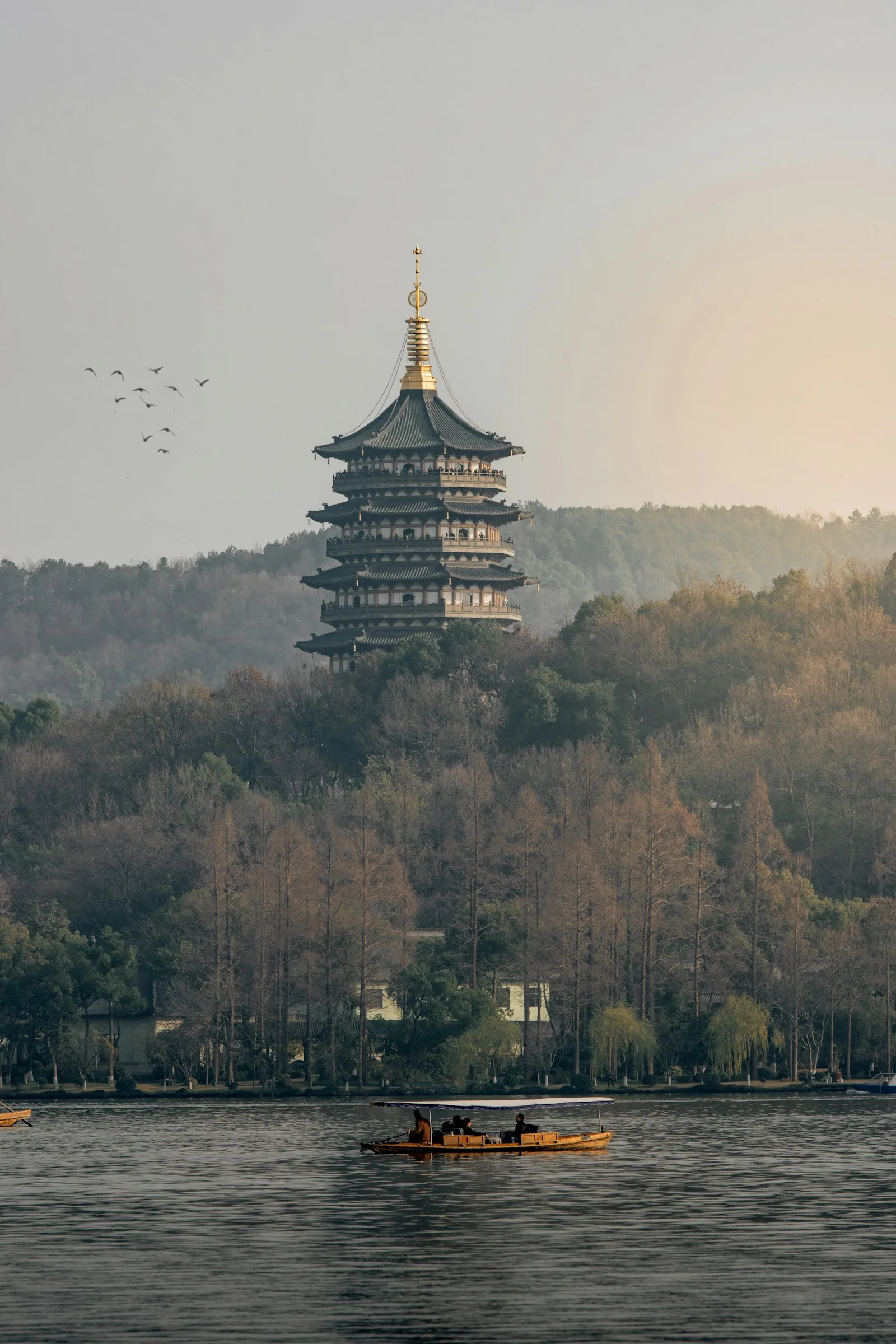
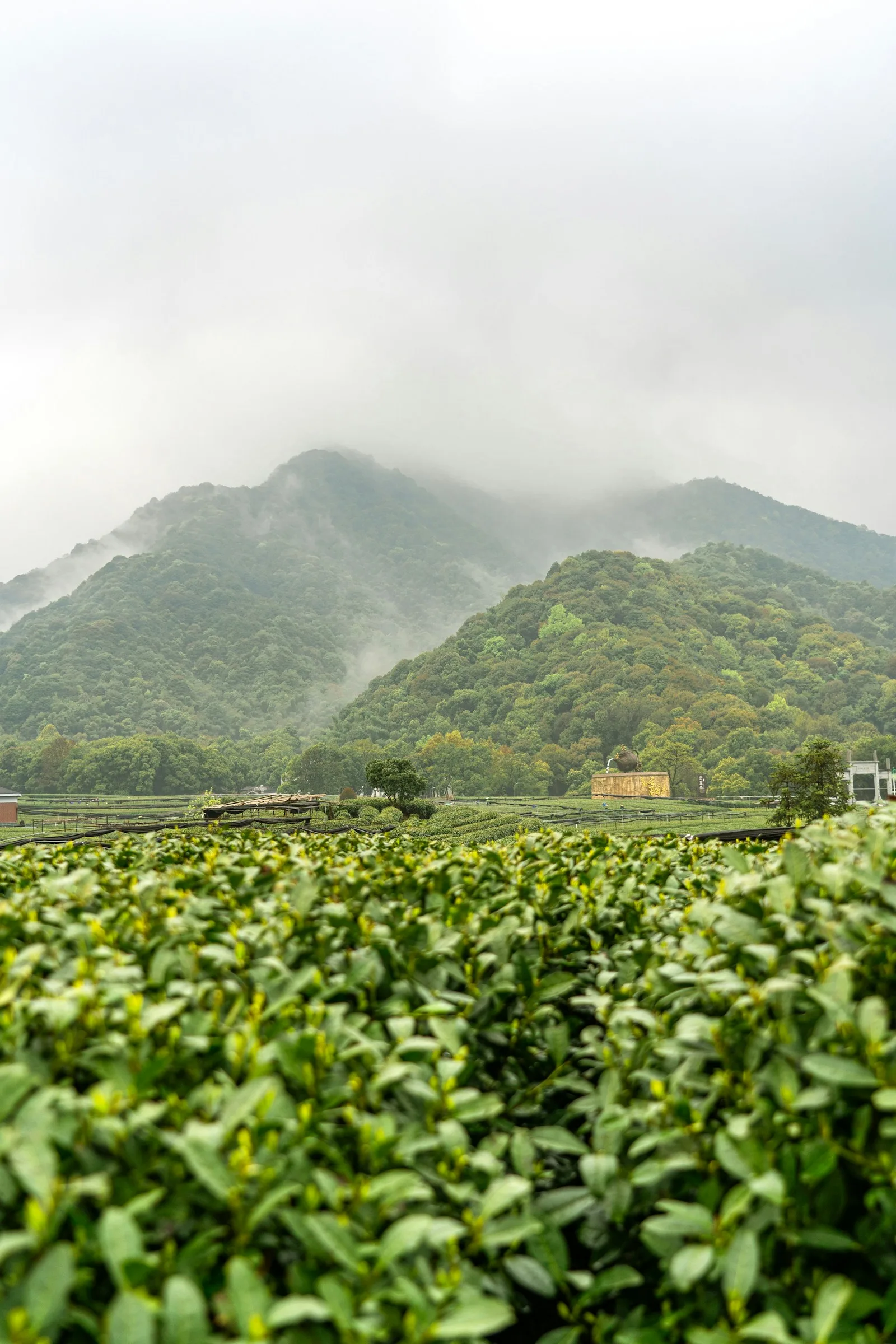
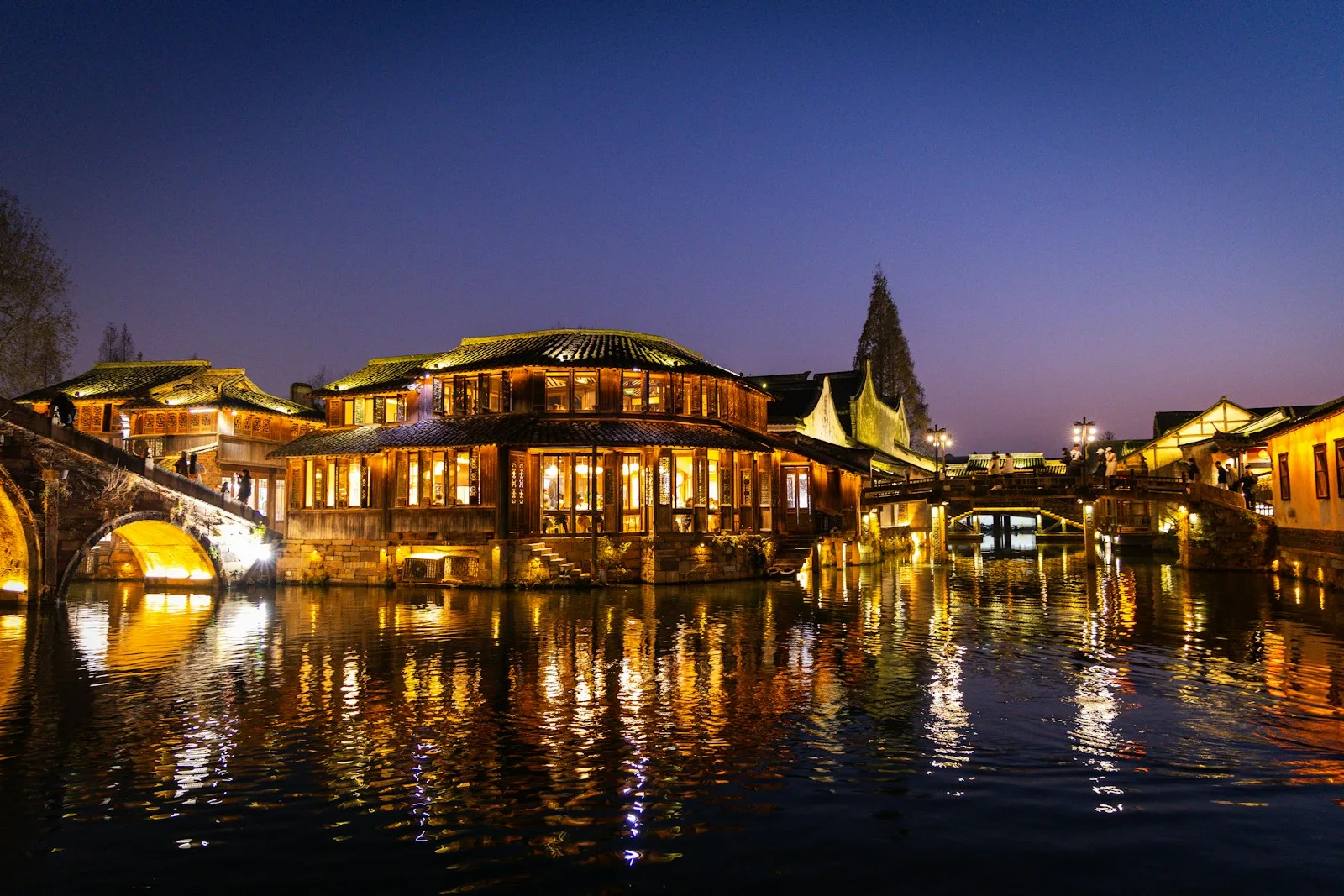
Zhejiang has shaped Chinese taste more than almost any other province. The Song dynasty's southern court ran from Hangzhou; West Lake produced a thousand years of poetry about a single body of water; Longjing tea became the country's reference for what tea should taste like. None of this happened loudly. The Zhejiang inheritance is quietness as a kind of confidence.
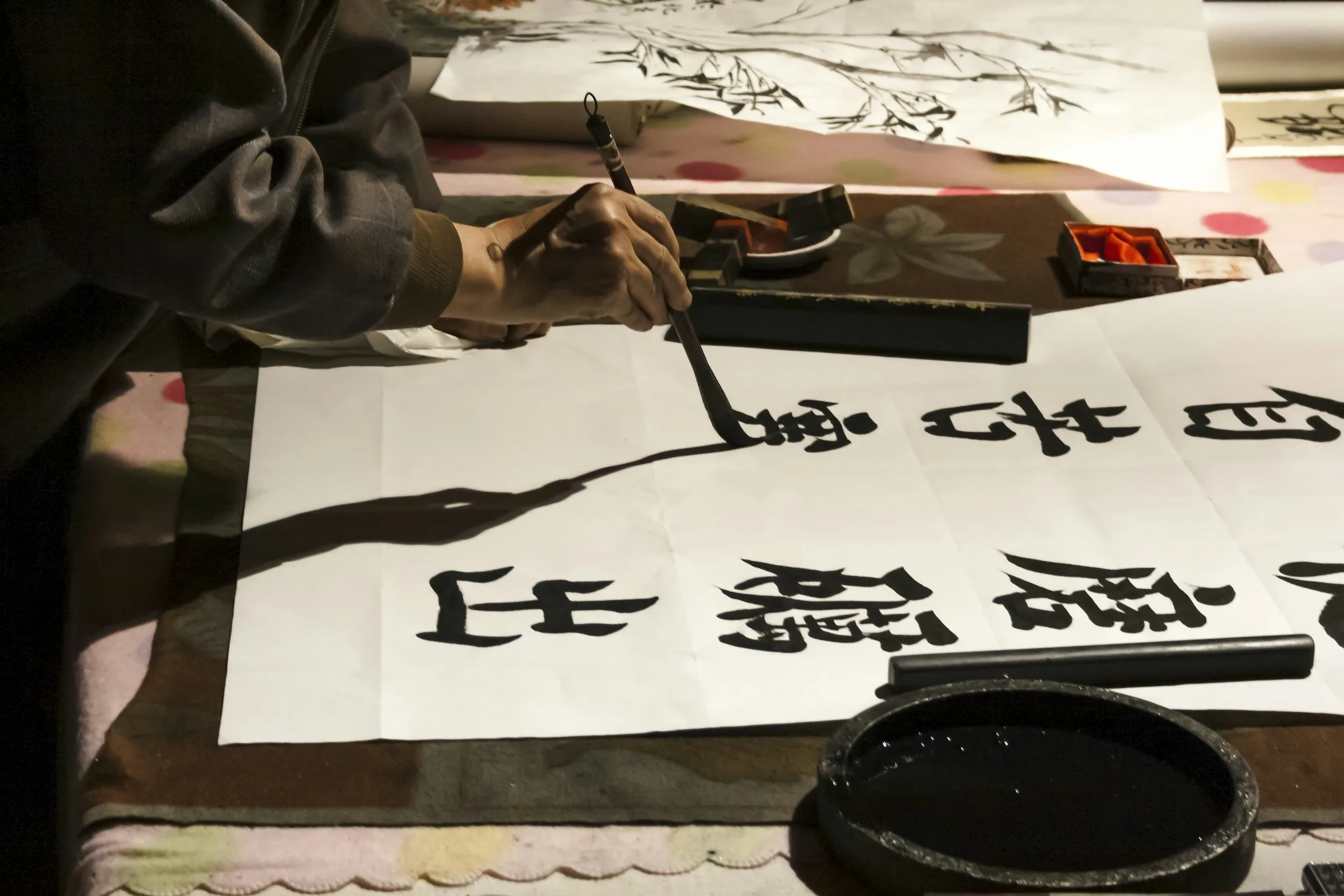
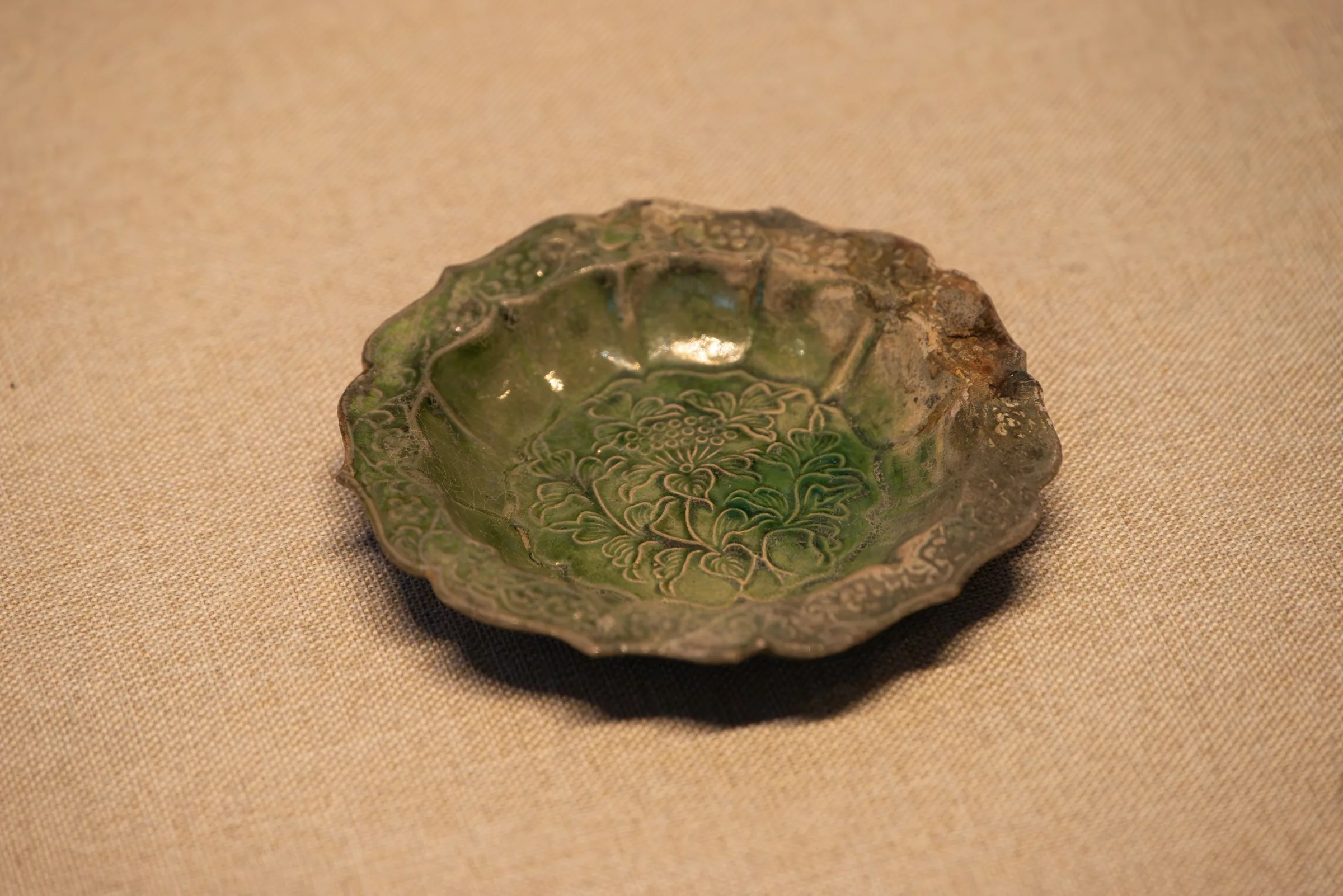
We work here because the region's aesthetic — restrained, scholarly, made for long looking — sits at the heart of how Chinese culture talks to itself. To understand a Ming scroll, a Song ceramic, a calligrapher's hand, it helps to have stood by Longjing's wells in early spring while someone explains why the first picking matters.
 ArtoEast