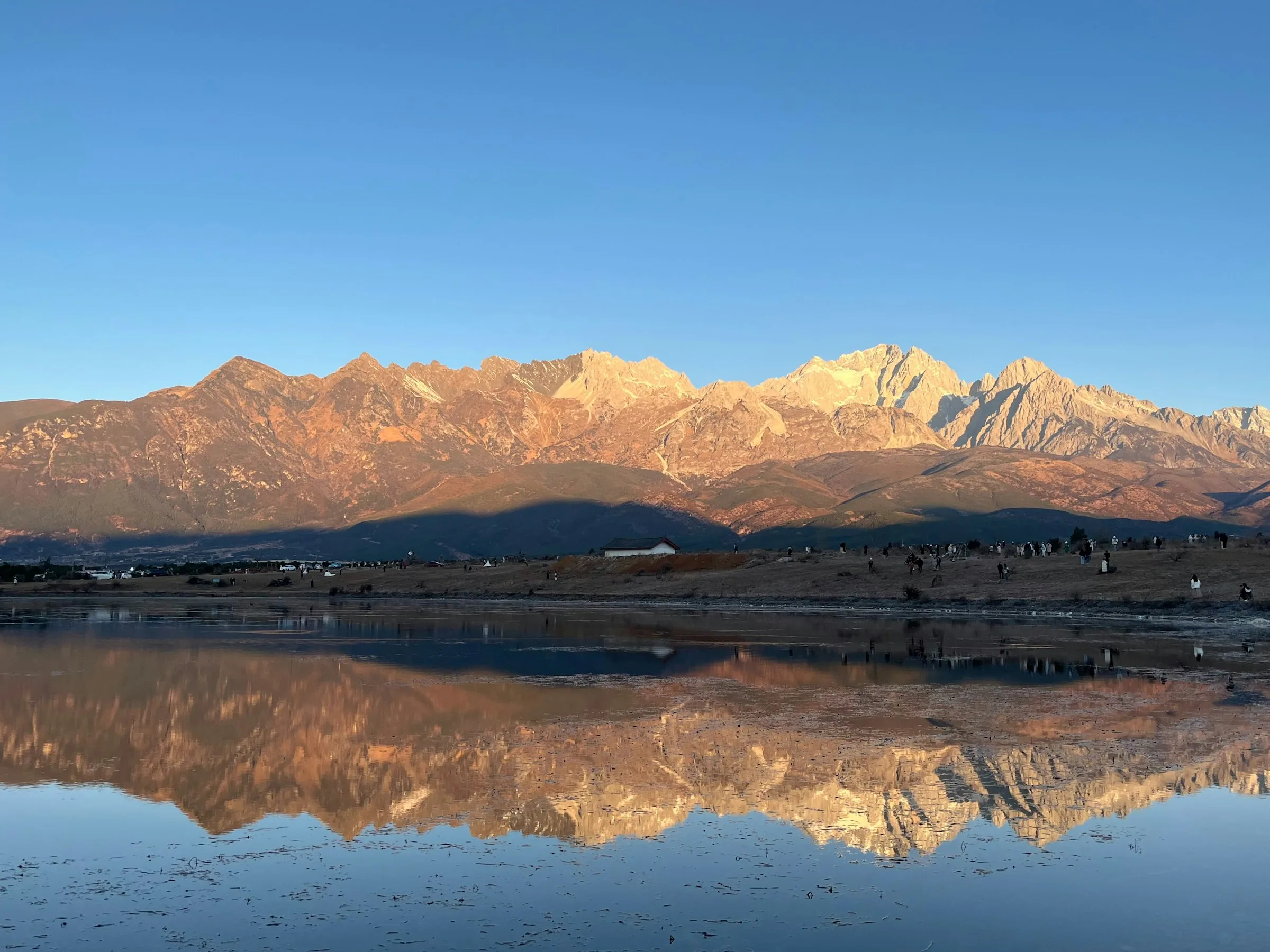
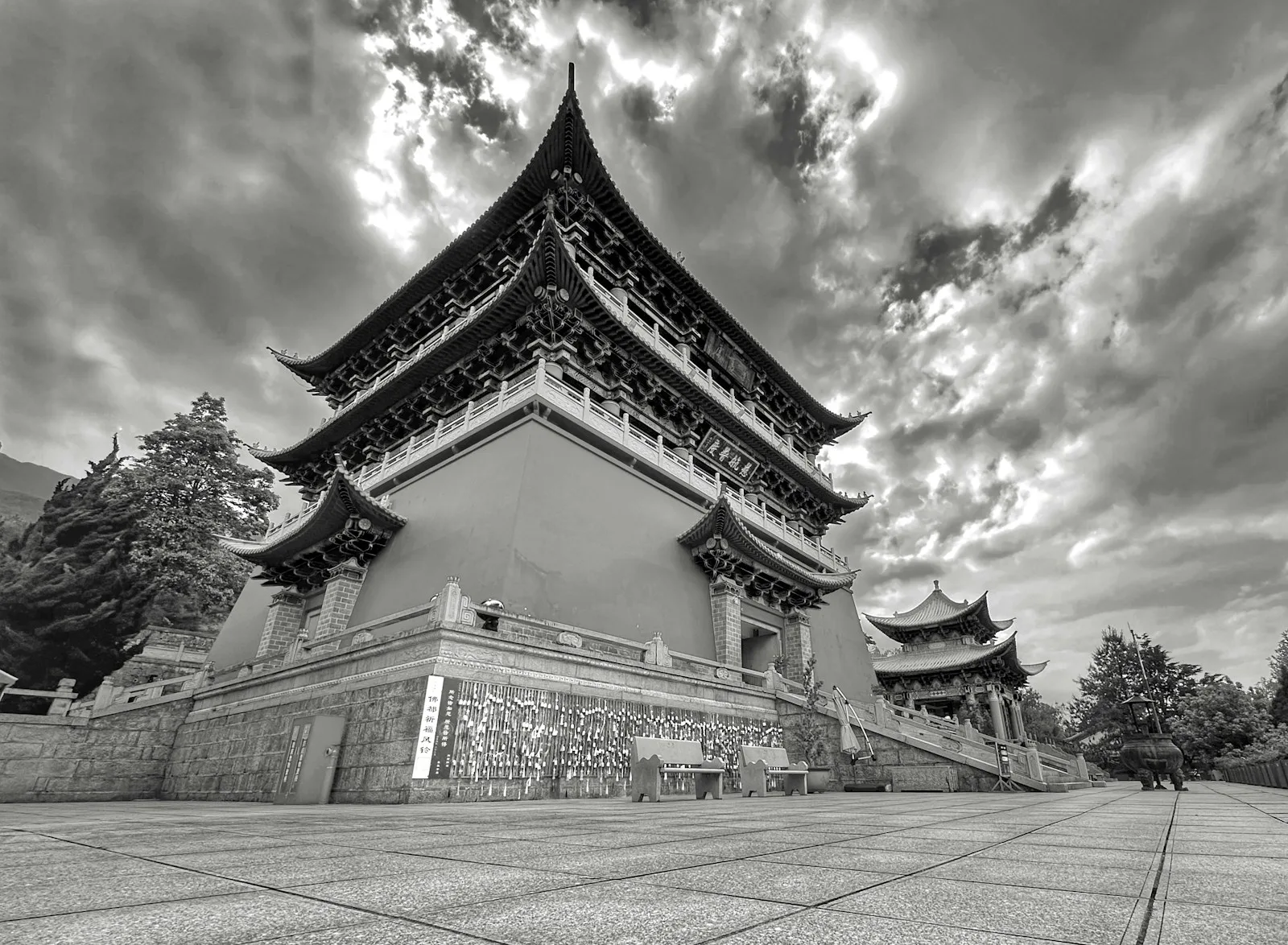
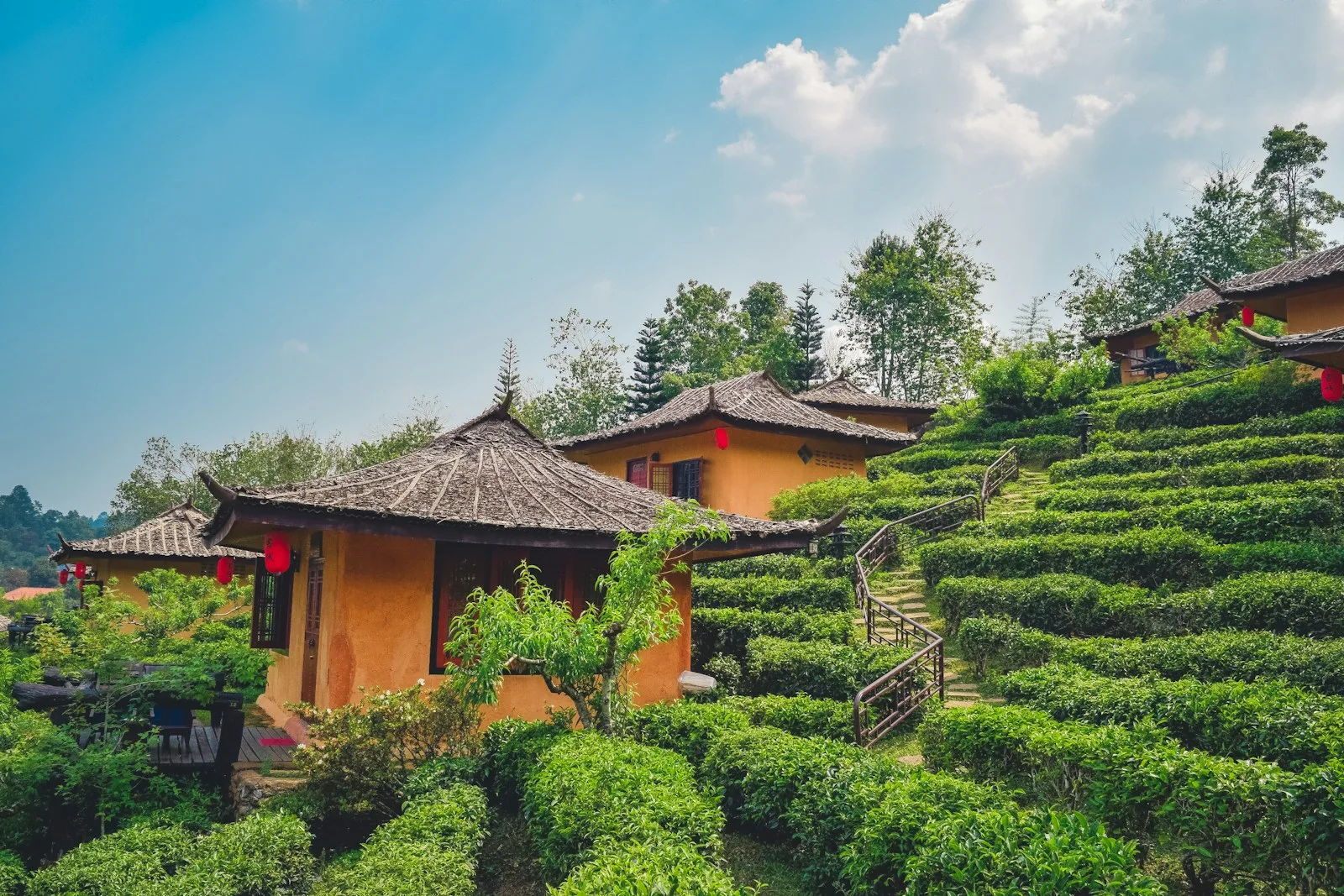
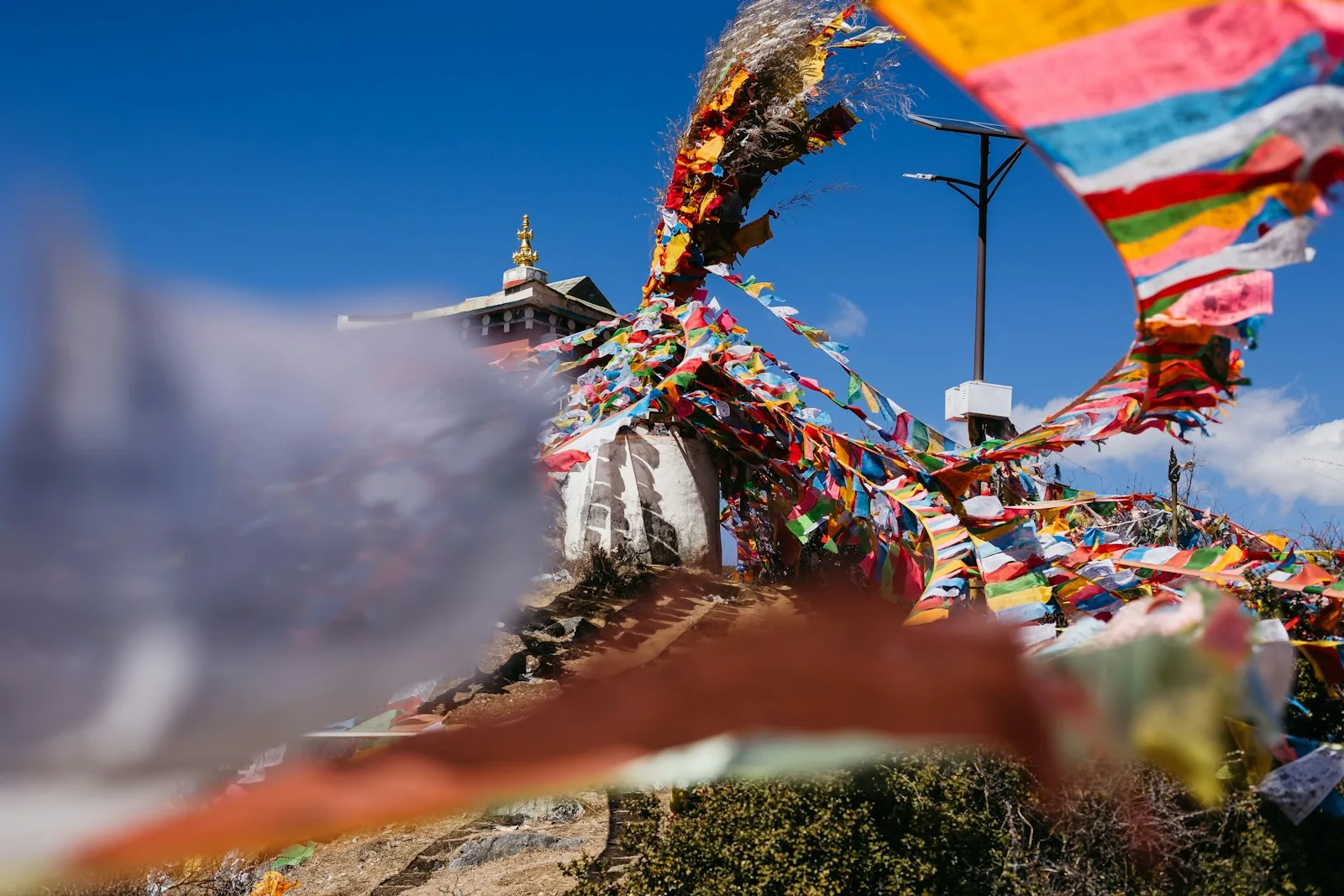
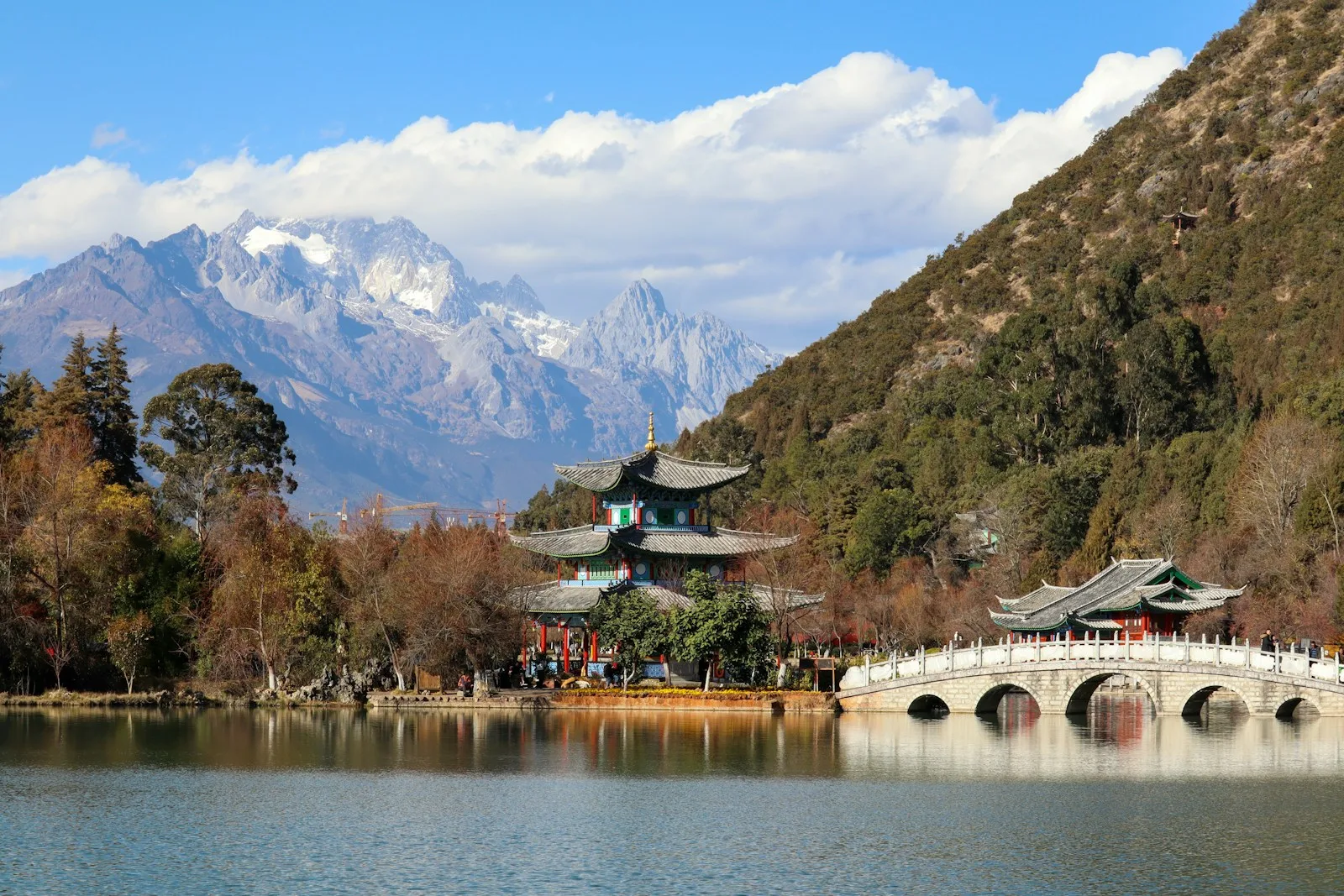
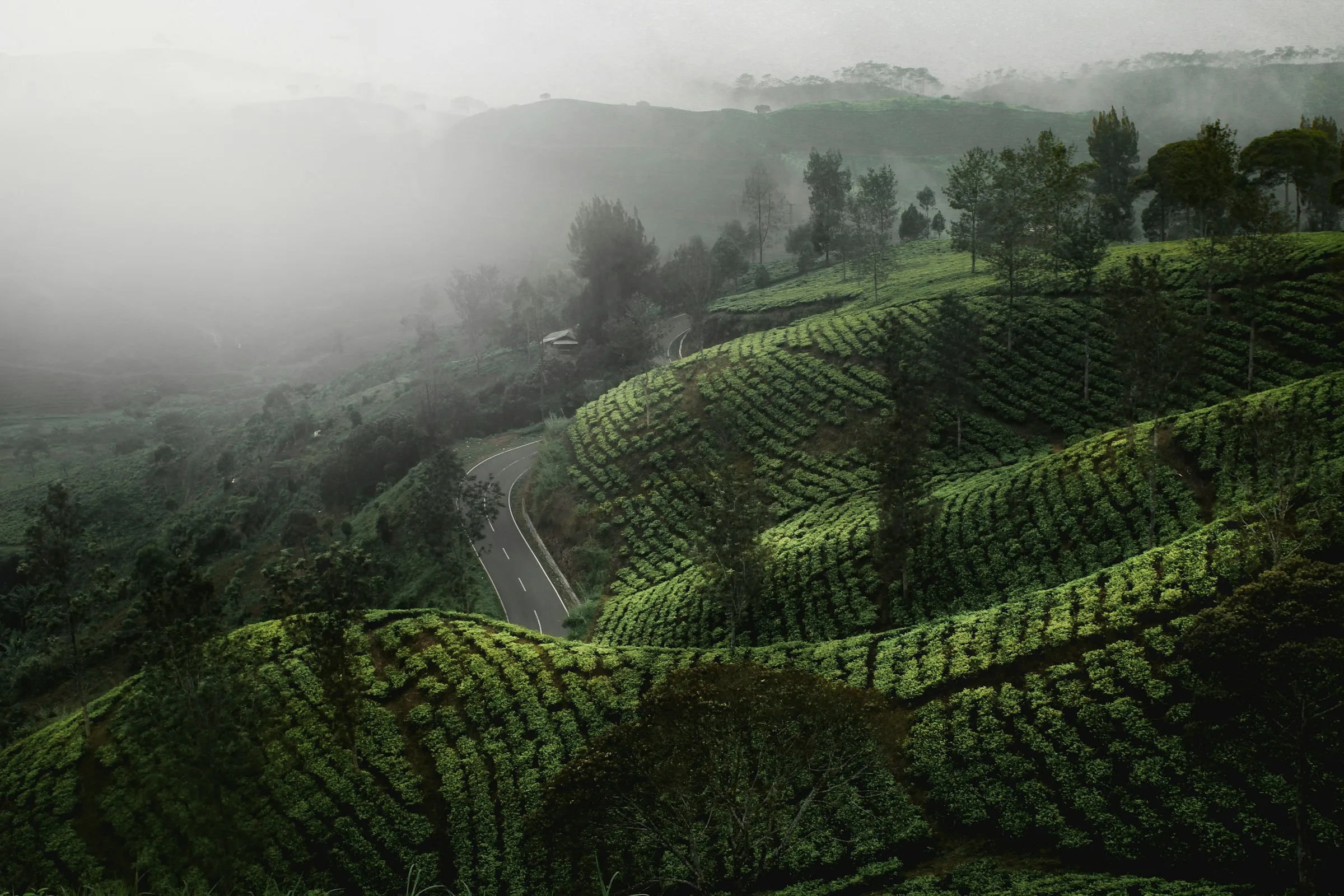
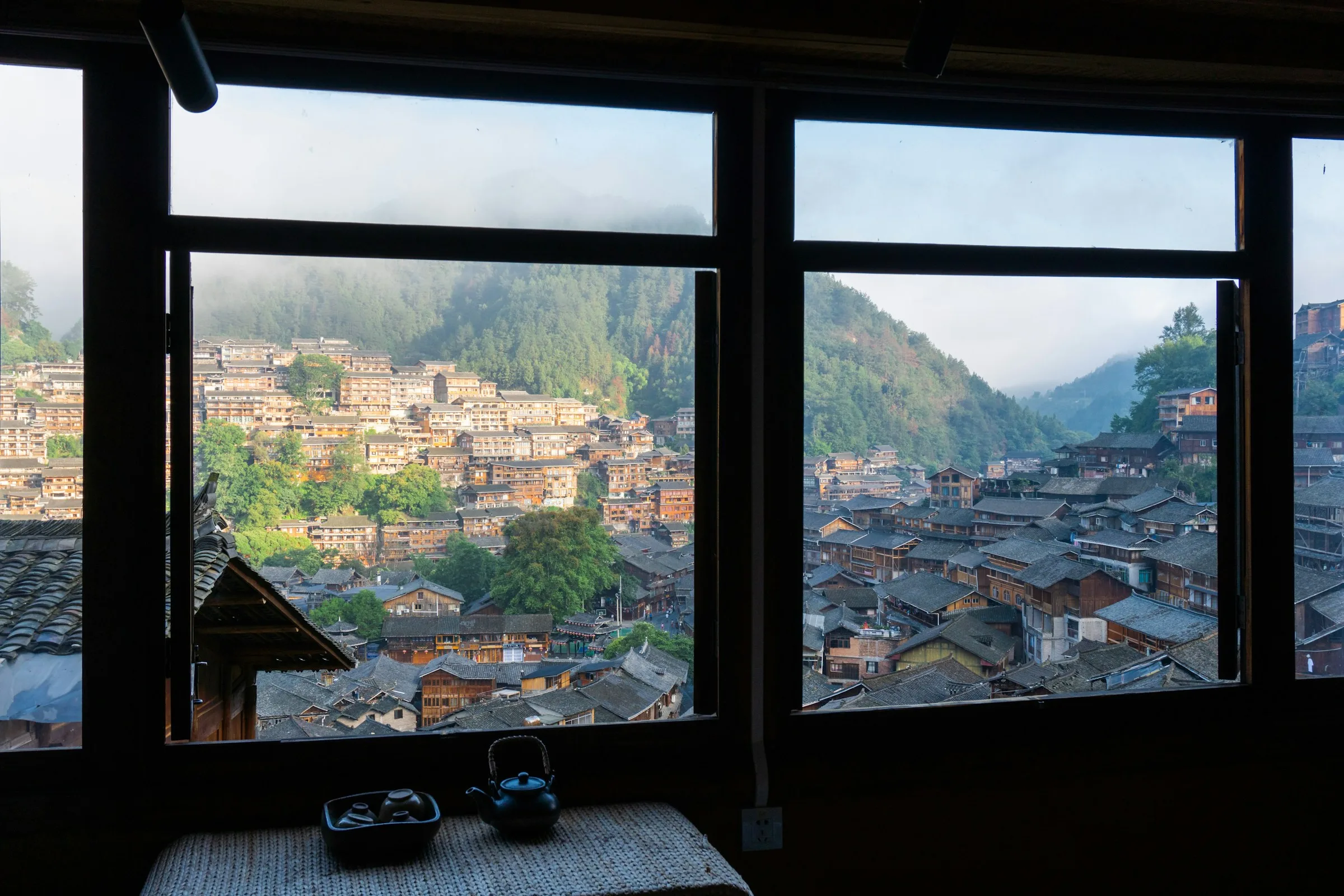
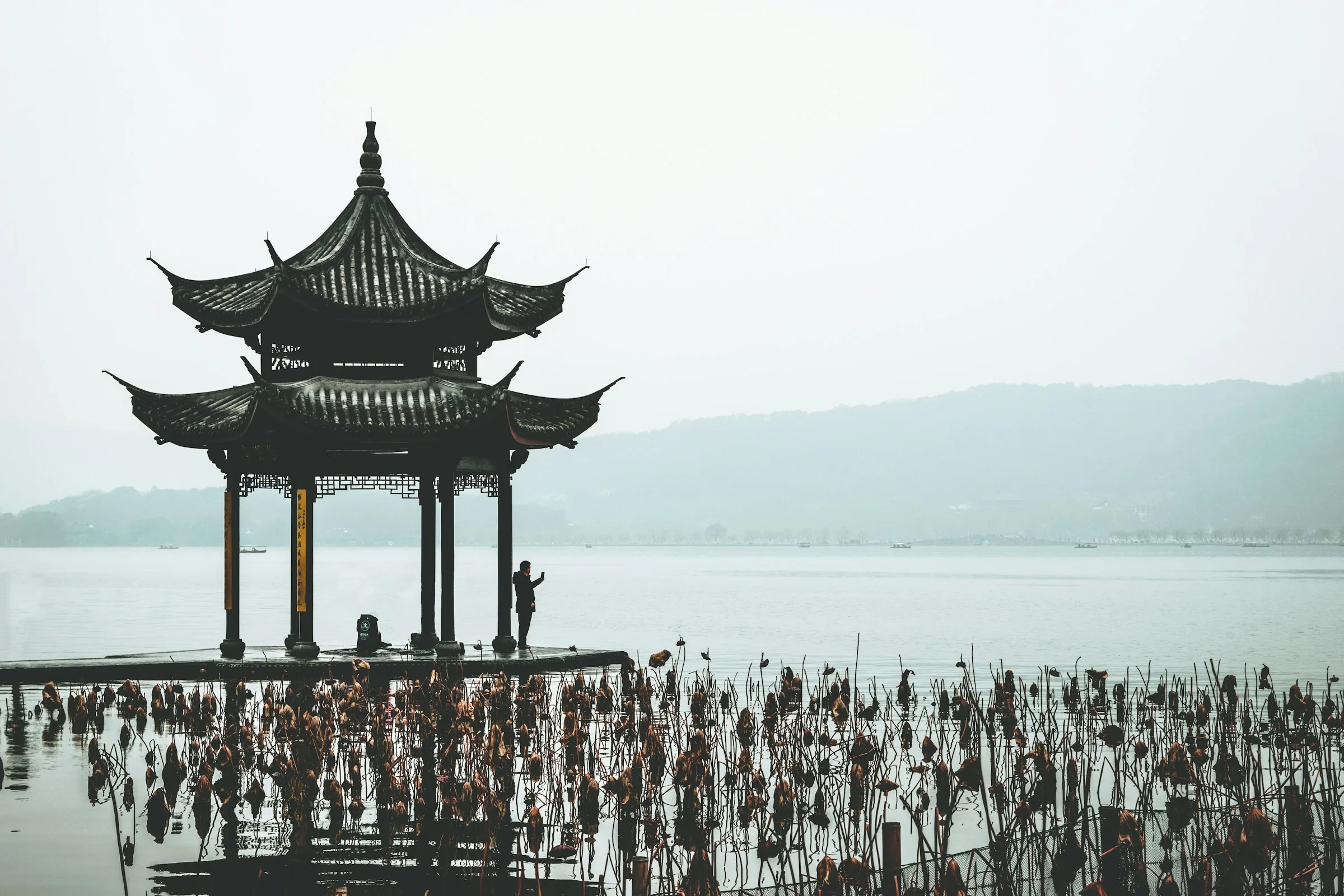
Yunnan is China at its most plural. The map shows a single province along the country's southwest edge, but the ground reveals a vertical archive — Hani rice terraces giving way to Naxi market towns, Tibetan grasslands rising above Pu'er tea forests, Dai temples leaning the air toward Southeast Asia. Borders here have always been porous, to peoples and plants and ideas about how to live.
We work in Yunnan because so much of what is called Chinese culture was first rehearsed at its margins. The province is less a destination than a way of standing — at a particular elevation, in a particular language, drinking a particular cup of tea — and noticing how much of what feels foreign was once also home.
 ArtoEast