Skip to content
ArtoEast
中文
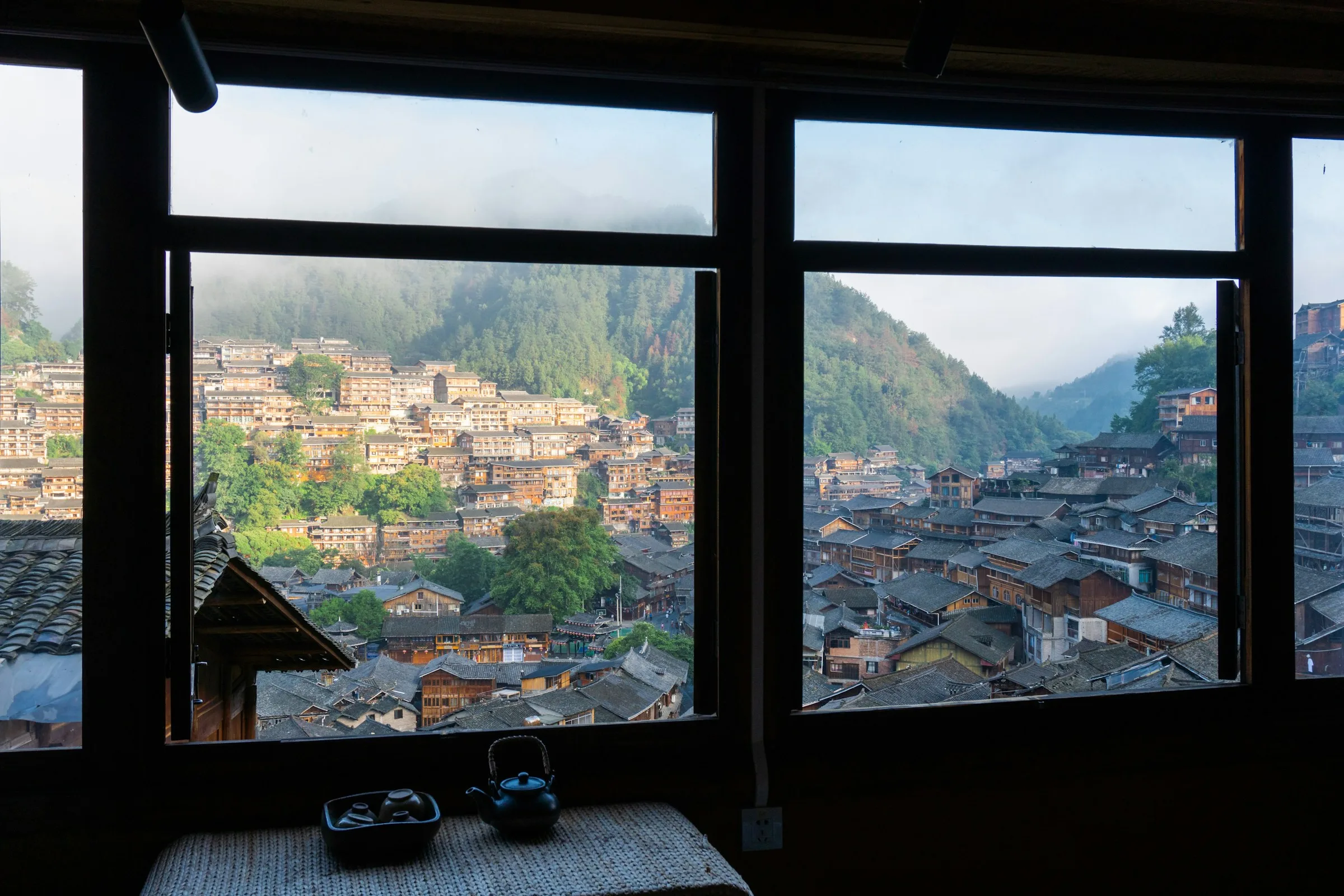
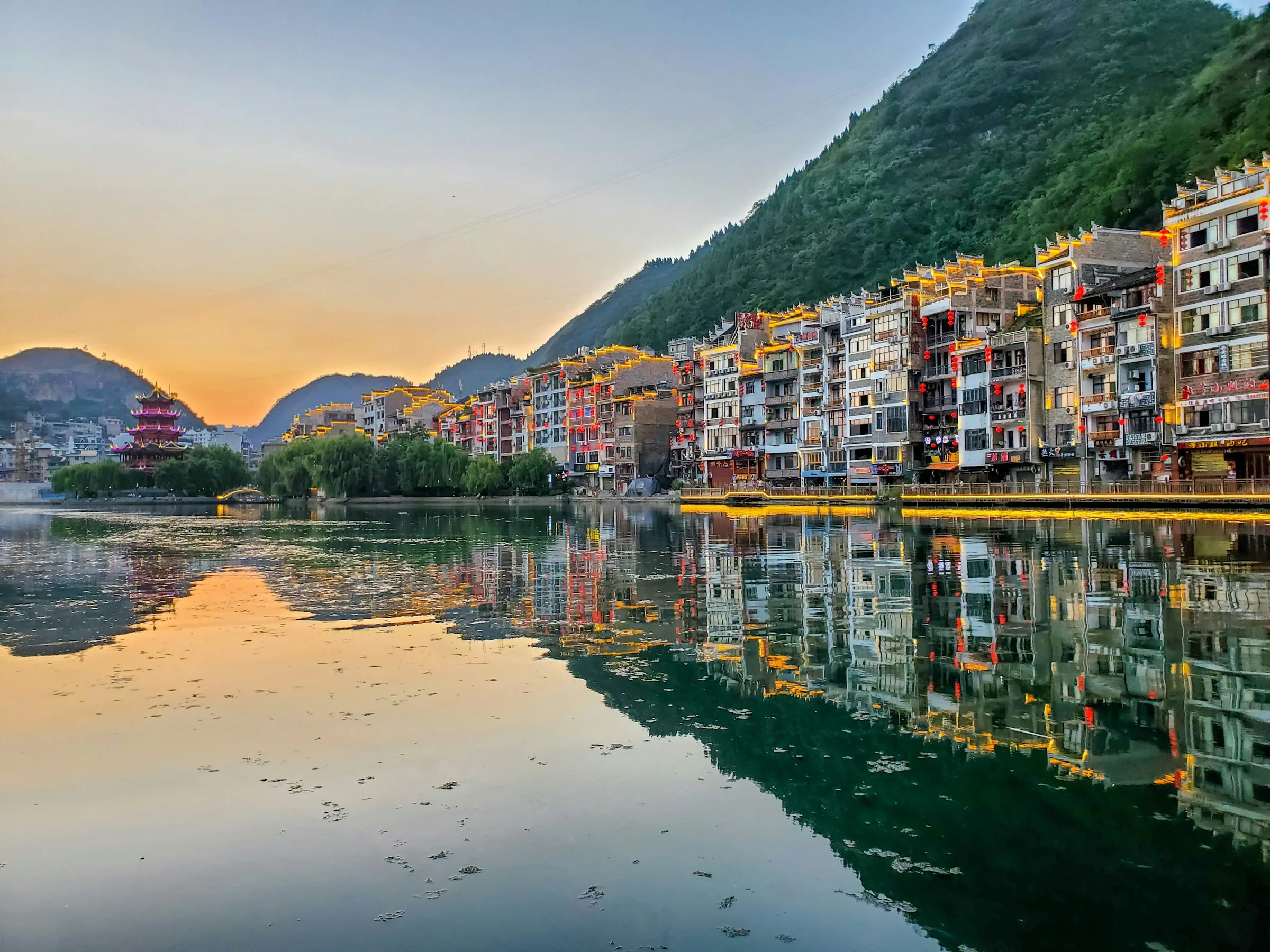
Karst mountains and a Dong village in southeast Guizhou.
Destination · 貴州

Guizhou

Quiet province, loud cultures.

Karst hills, Miao silver, Dong wooden architecture, and a festival calendar so dense it functions as the local economy.

Where you are

A region, not a route.

Guizhou was, until recently, the part of China most people skipped. The karst topography that made it hard to farm also made it hard to homogenise — and the result is a province where Miao, Dong, Bouyei, Shui and a dozen other peoples have kept languages, costumes, and ritual calendars largely intact. The hills did the work of preservation that policy never quite managed.

Here, craft is not a heritage performance. Silver is hammered for daughters who will actually wear it; wind-and-rain bridges are repaired because they are how the village crosses the river. We work in Guizhou for the rare chance to encounter a living culture that has not yet been re-arranged for visitors.

Where on the map

Guizhou sits southwest china.

Southwest China · karst plateau, east of Yunnan. The other five regions we work in are shown for reference.

  • Yunnan雲南
  • Guizhou貴州
  • Sichuan四川
  • Fujian福建
  • Guangdong廣東
  • Zhejiang浙江
YunnanSichuanFujianGuangdongZhejiangGuizhou
What you’ll encounter

The textures that make Guizhou itself.

Miao silver headdress, Guizhou.
01

Miao silver and the weight of a daughter's dowry

A full Miao festival headdress can weigh ten kilograms in pure silver. Each piece is a record — of family, of clan, of marriage. We meet the smiths whose families have hammered them for six generations and counting.

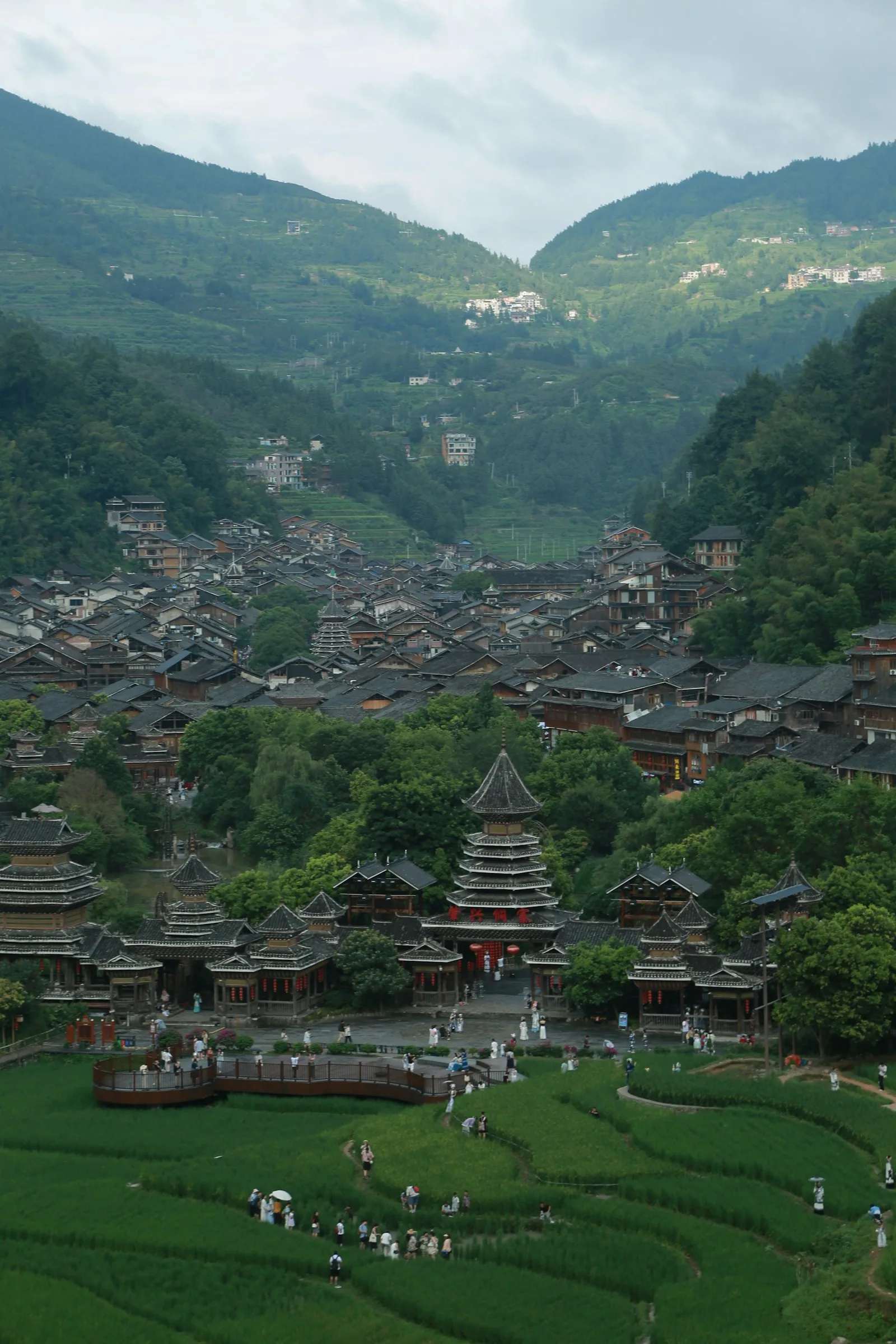
Dong wind-and-rain bridge, southeast Guizhou.
02

Dong drum towers and wind-and-rain bridges

The Dong build entire civic structures — towers, theatres, covered bridges — without a single nail. The architecture is the constitution. We visit villages where the master carpenters are still teaching apprentices the dimensions that hold the geometry together.

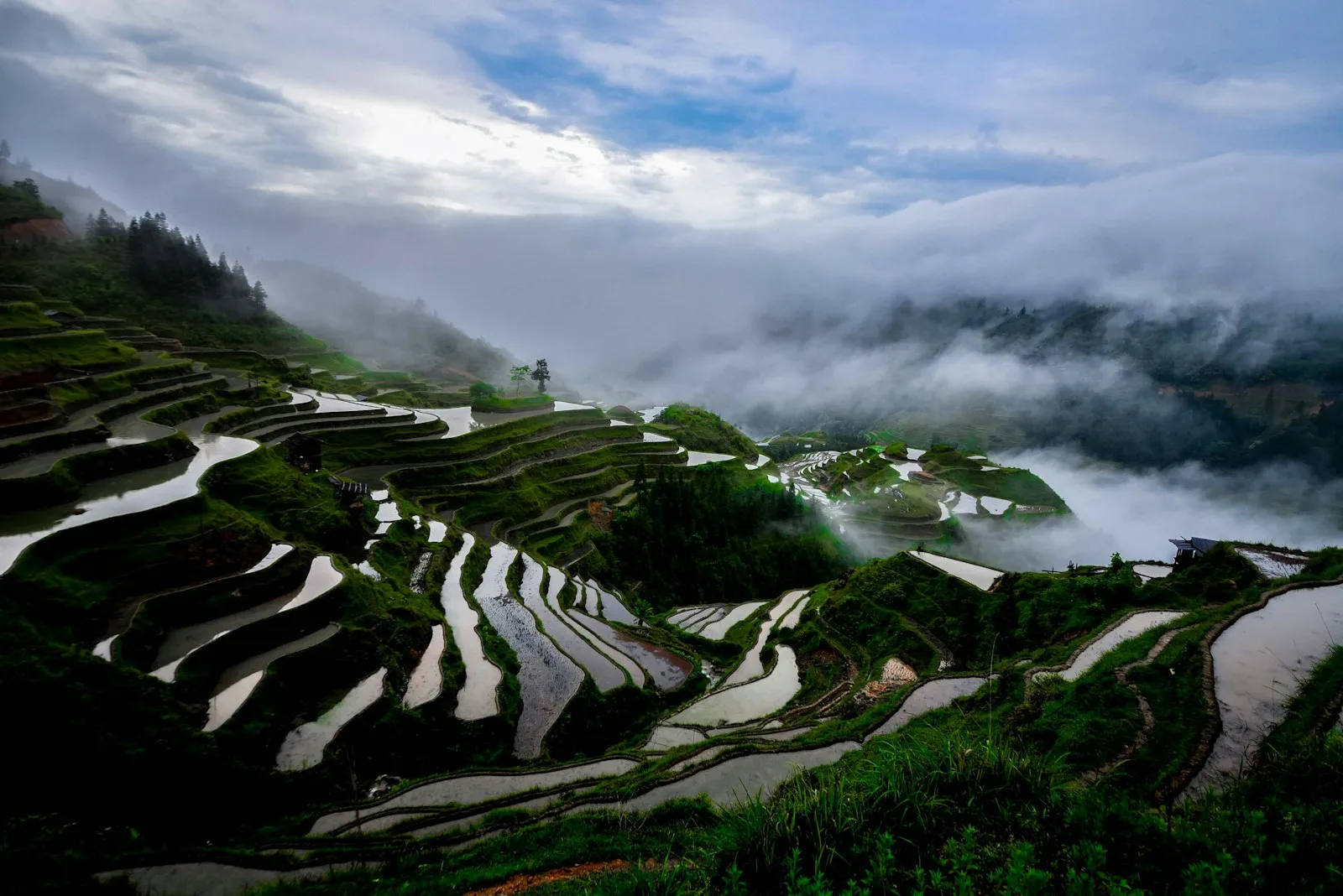
Terraced rice fields, Guizhou karst region.
03

Karst, terraces, and rice that climbs

The landscape was carved by water and is still being read by it. Around Jiabang and Congjiang, terraced rice fields follow contour lines that took centuries to negotiate with the slope. The views are famous; the labour is not.

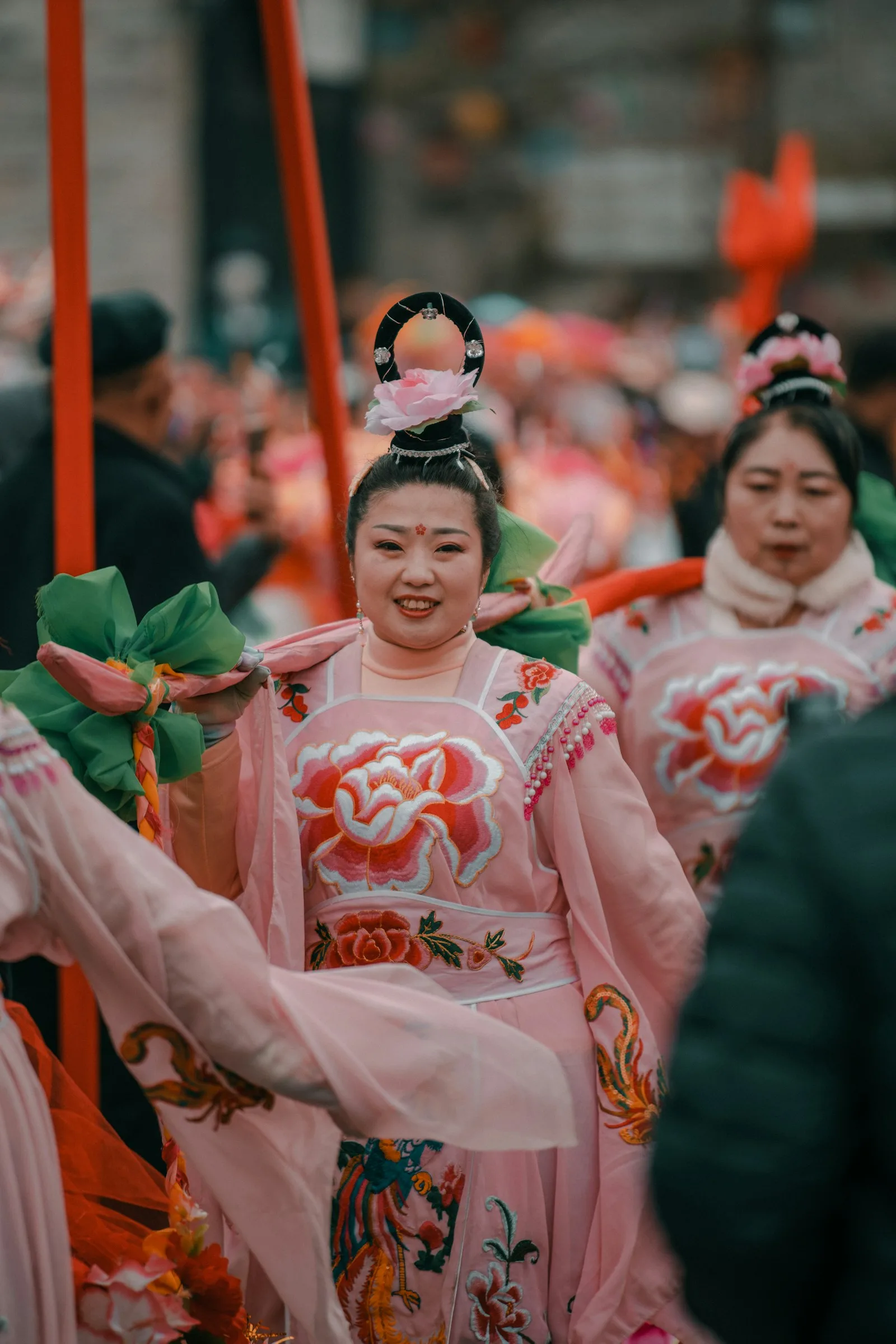
Lusheng performance during a Miao festival.
04

Lusheng, song, and a festival every other week

The lusheng reed pipe is a Miao and Dong instrument that can sound like an entire orchestra. Festivals organise themselves around it — and there are so many festivals that the calendar itself becomes a way of marking belonging.

How we work here

The kinds of encounters we shape.

We are not a tour company. We design specific encounters with the people, places, and disciplines that make this region itself. Each program is shaped to who is coming — these are starting points, not menus.

  • 01

    Silver-smithing afternoons in Kong Bai

    Hammer, anneal, repeat. We work alongside the master in the workshop, not the showroom.

  • 02

    Overnight in a Dong village

    Homestays in wooden houses where dinner is a conversation about how the bridge was last repaired.

  • 03

    Indigo and batik with a Miao matriarch

    The dyes are fermented in the courtyard. The patterns are clan-specific. The pace is the point.

  • 04

    A festival day, not a festival show

    We time visits to coincide with actual ritual calendars. No costumes are hired; nothing is staged.

Photography by 毛 祥, Quan-You Zhang, Chengyu Wang, Yang, enkuu smile via Unsplash.

Begin the Conversation

Bring your delegation, your institution, or your curious community to the real East.

Tell us who you’re bringing and what you’re looking for. We’ll design the program around it.