Skip to content
ArtoEast
中文
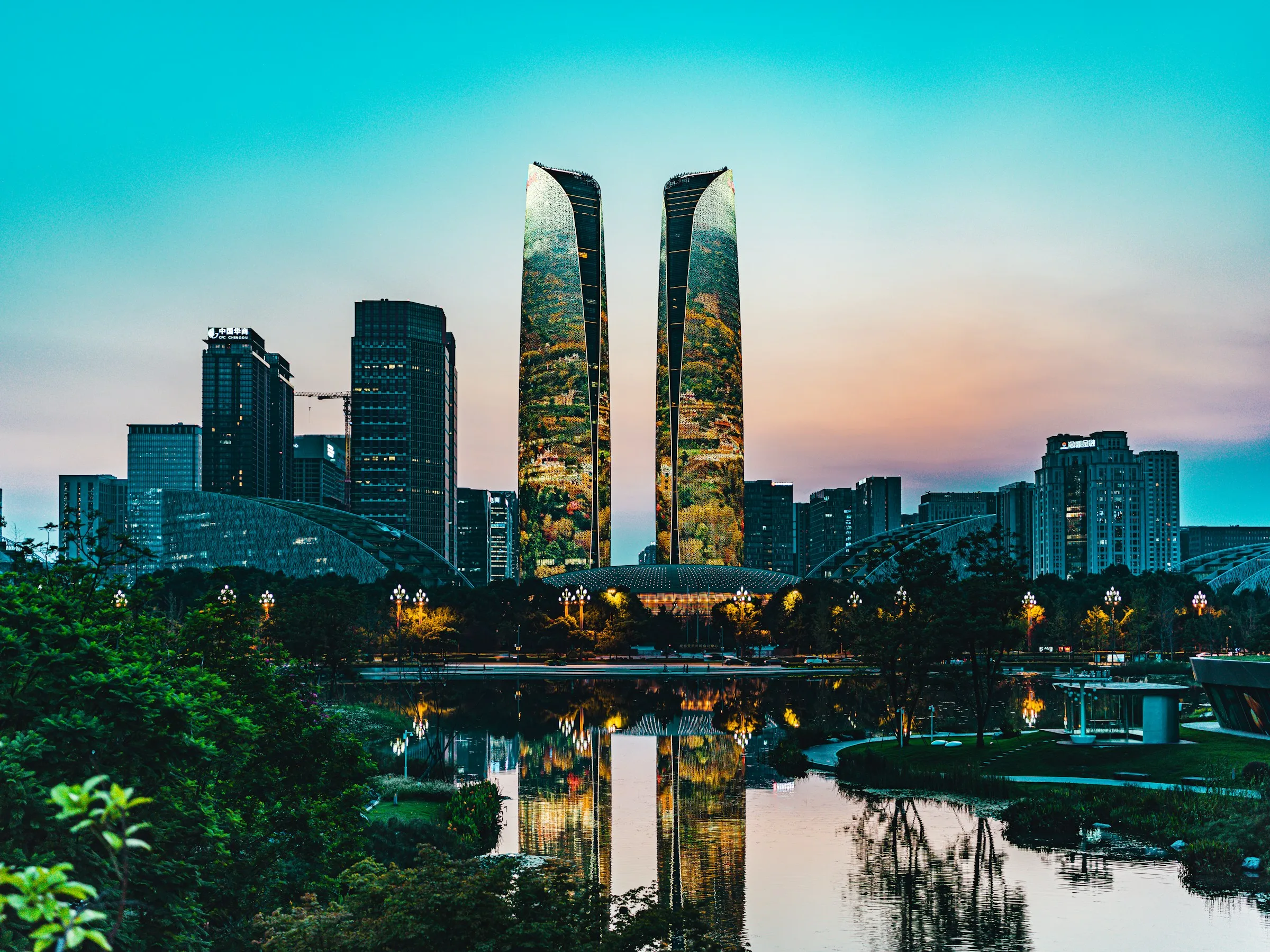
Misty teahouse morning in Chengdu, Sichuan.
Destination · 四川

Sichuan

A basin big enough to hold a whole way of being Chinese.

Chengdu teahouses, Kham mountains, Emei pilgrimage, and a cuisine that has been a craft for a thousand years.

Where you are

A region, not a route.

Sichuan is large enough to function as its own country. The Chengdu basin grows the food and writes the poetry; the western highlands are Tibetan in language and architecture; the southern mountains hold the Yi peoples and a different relationship to land entirely. The province's reputation for ease — the famous Chengdu pace, the teahouses, the mahjong — is real, but it is only one of several Sichuans.

We work in Sichuan because the cultural geography here is so layered that a single visit can move through several distinct Chinas without crossing a border. Chengdu's literary tradition, Emei's Buddhist mountain, the Tibetan Kham region, and the cuisine that links them are all part of the same conversation about how a place defines itself.

Where on the map

Sichuan sits southwest china.

Southwest China · basin and Tibetan highlands. The other five regions we work in are shown for reference.

  • Yunnan雲南
  • Guizhou貴州
  • Sichuan四川
  • Fujian福建
  • Guangdong廣東
  • Zhejiang浙江
YunnanGuizhouFujianGuangdongZhejiangSichuan
What you’ll encounter

The textures that make Sichuan itself.

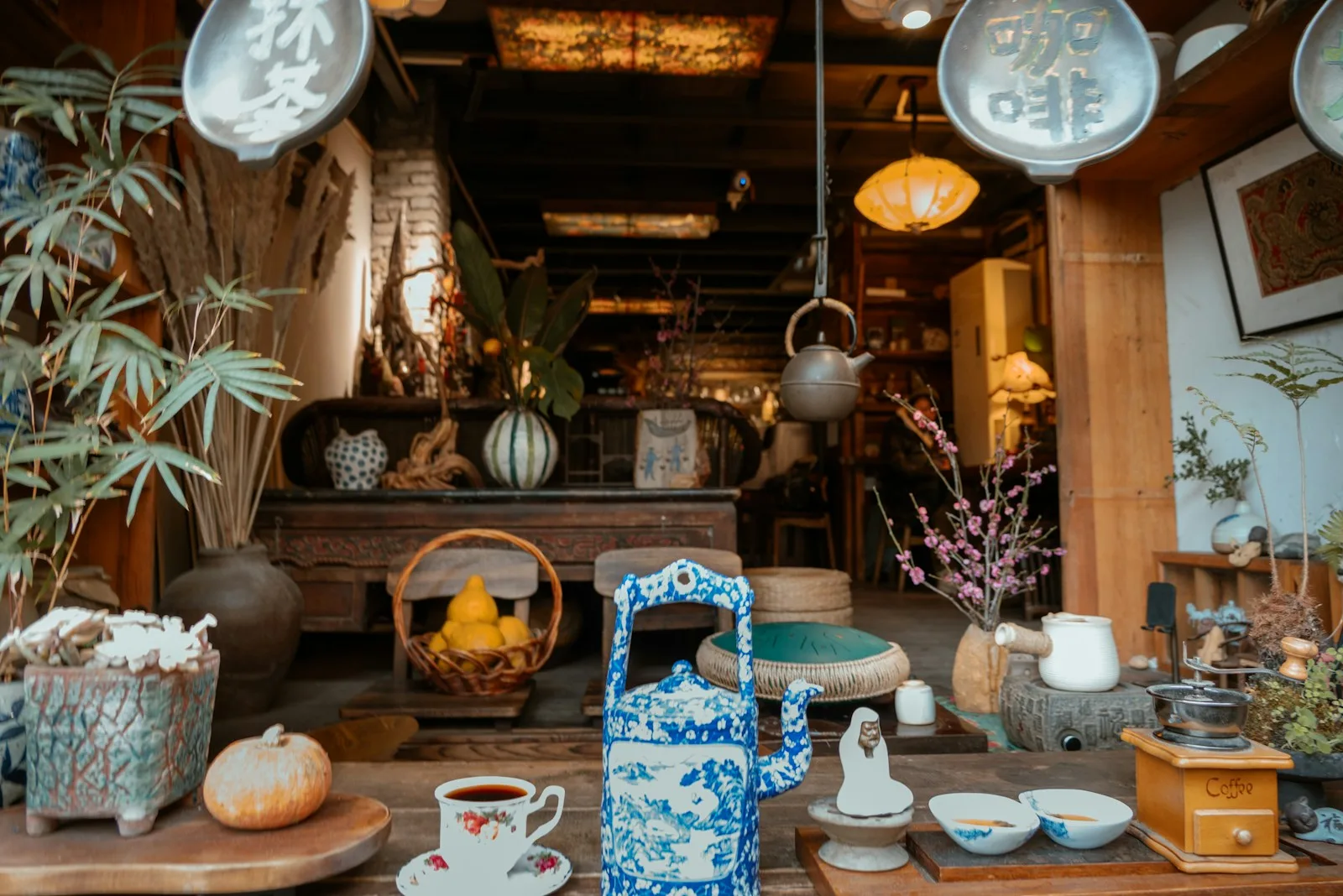
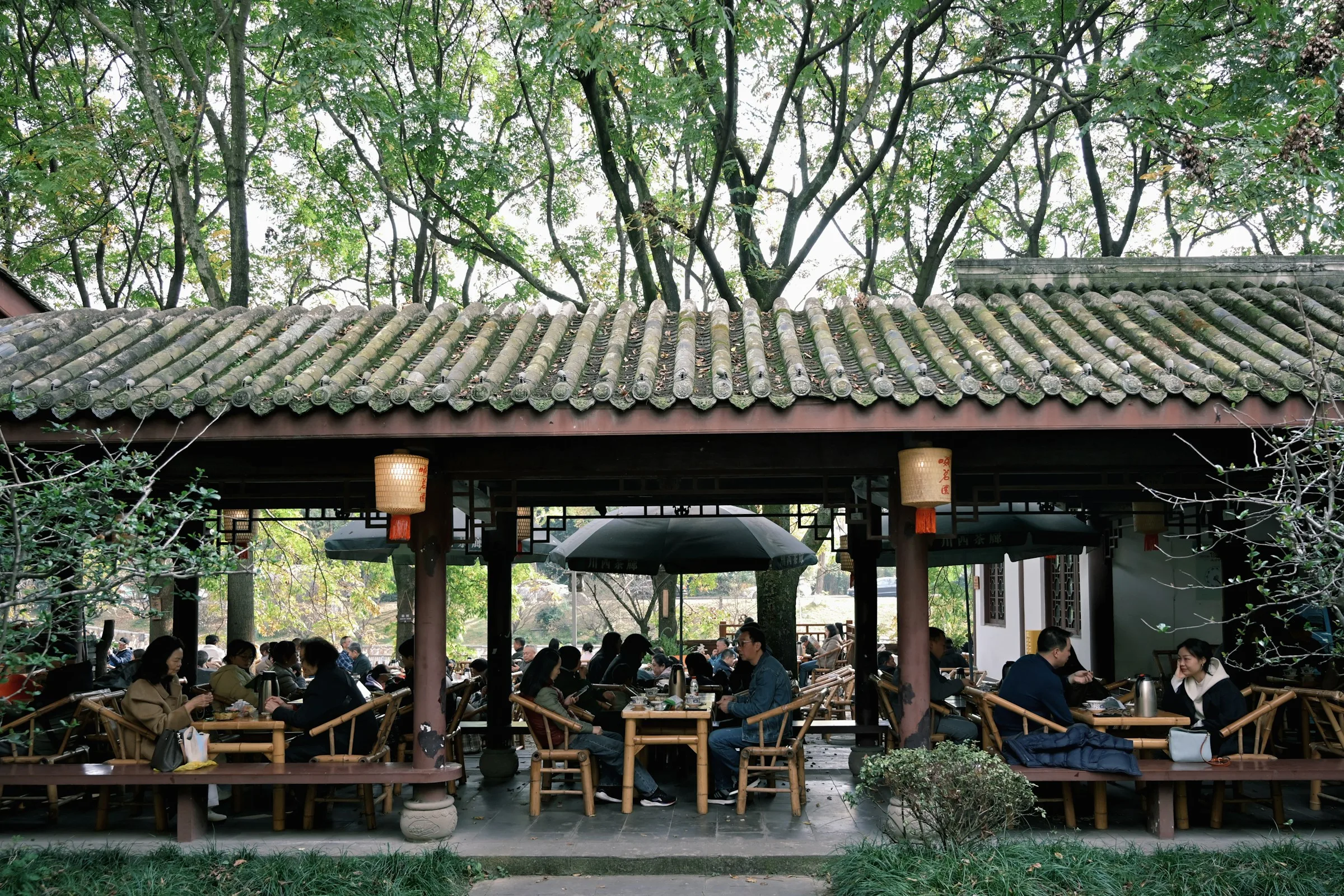
Chengdu teahouse with bamboo chairs.
01

Chengdu's teahouse century

Chengdu's slow afternoon is not a tourist marketing line — it is a structural feature of the city. Public teahouses have been the civic infrastructure since the Qing. We sit in the old ones, which still have bamboo chairs and people who remember what was different.

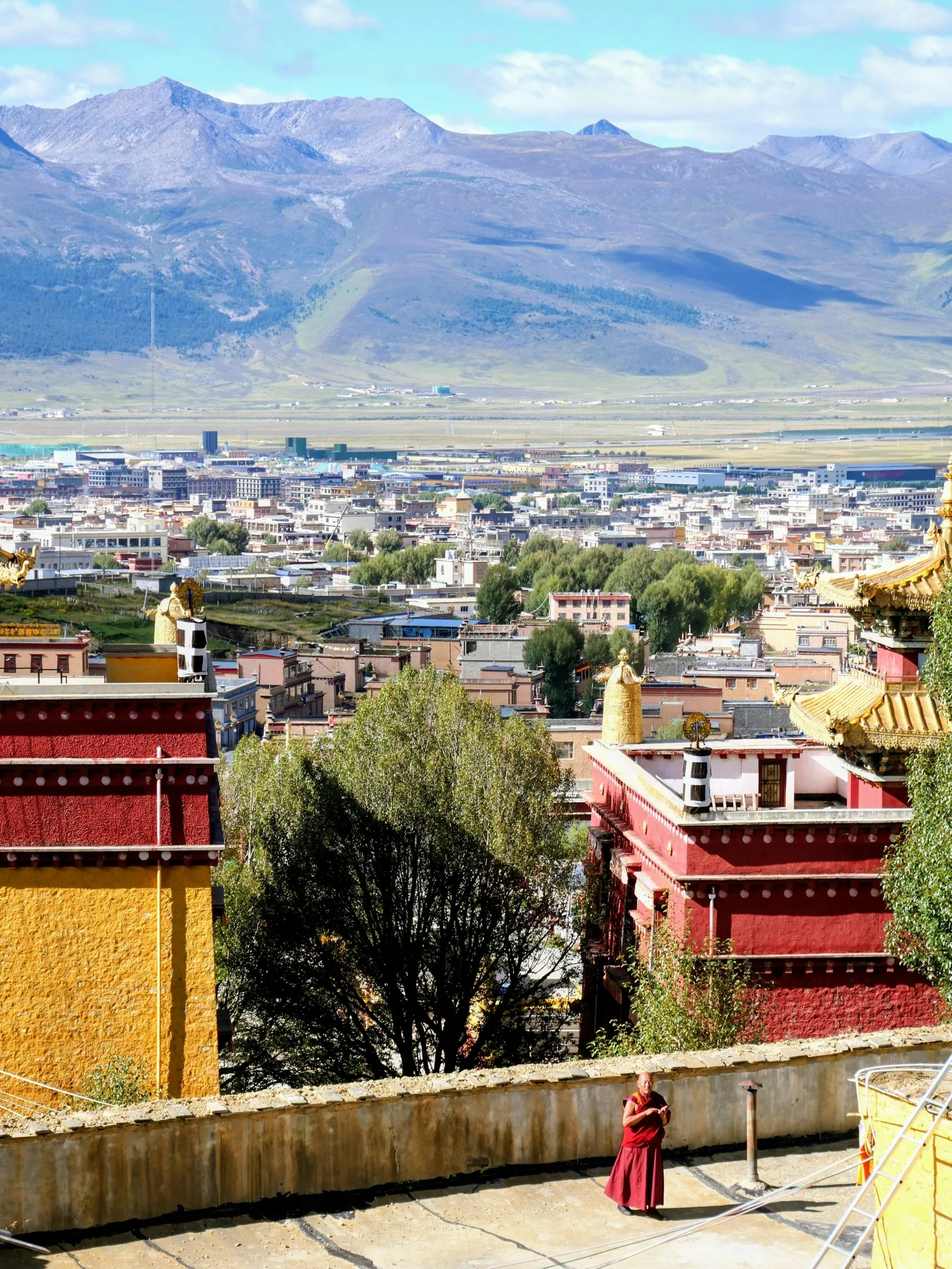
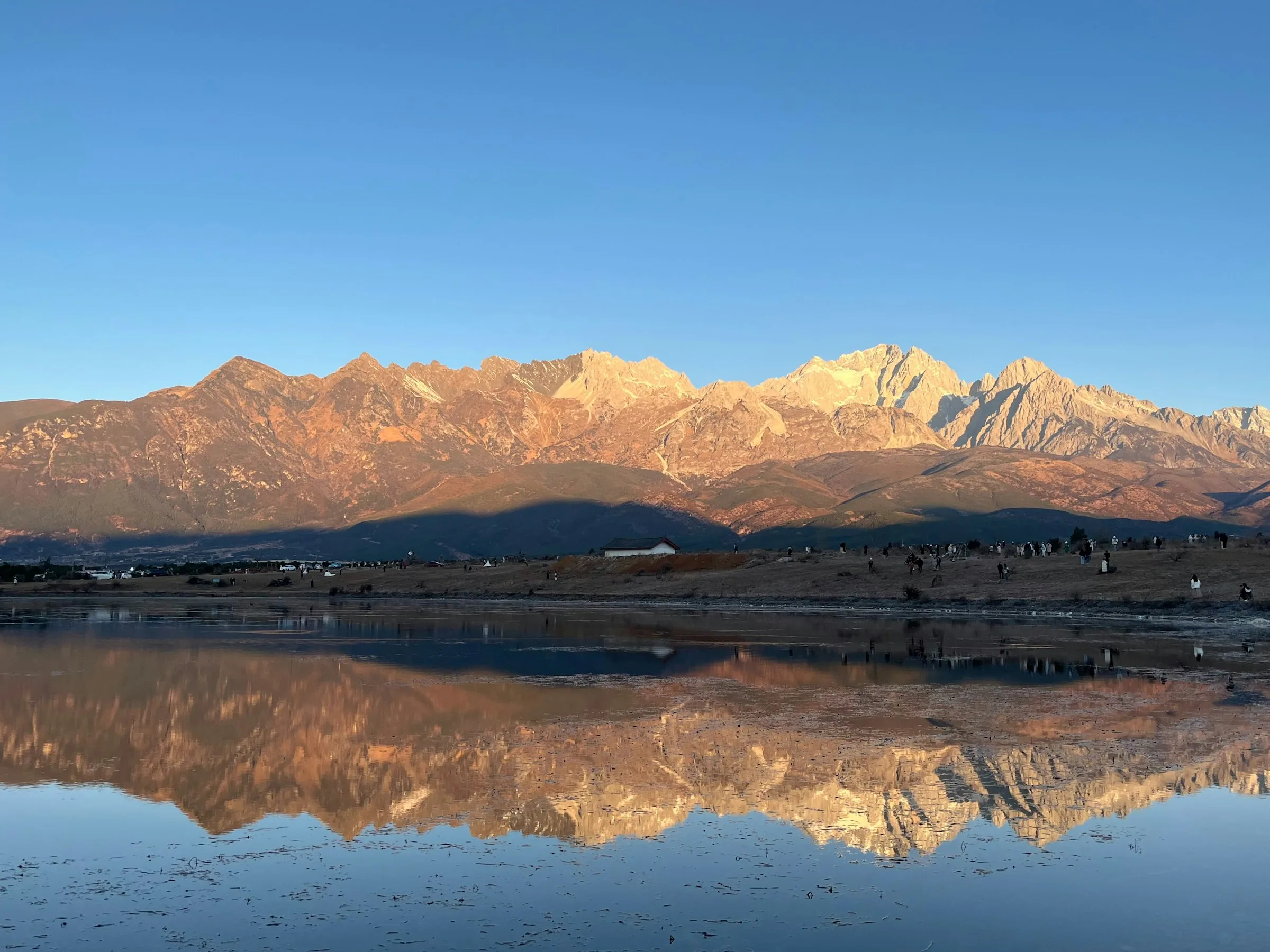
Tibetan monastery in western Sichuan's Kham region.
02

The Kham region and Tibetan Sichuan

Western Sichuan — Kangding, Daocheng, Litang — is culturally Tibetan, with monasteries, grasslands, and a different rhythm of life. The road from Chengdu to Litang is one of the great cultural transitions in China.

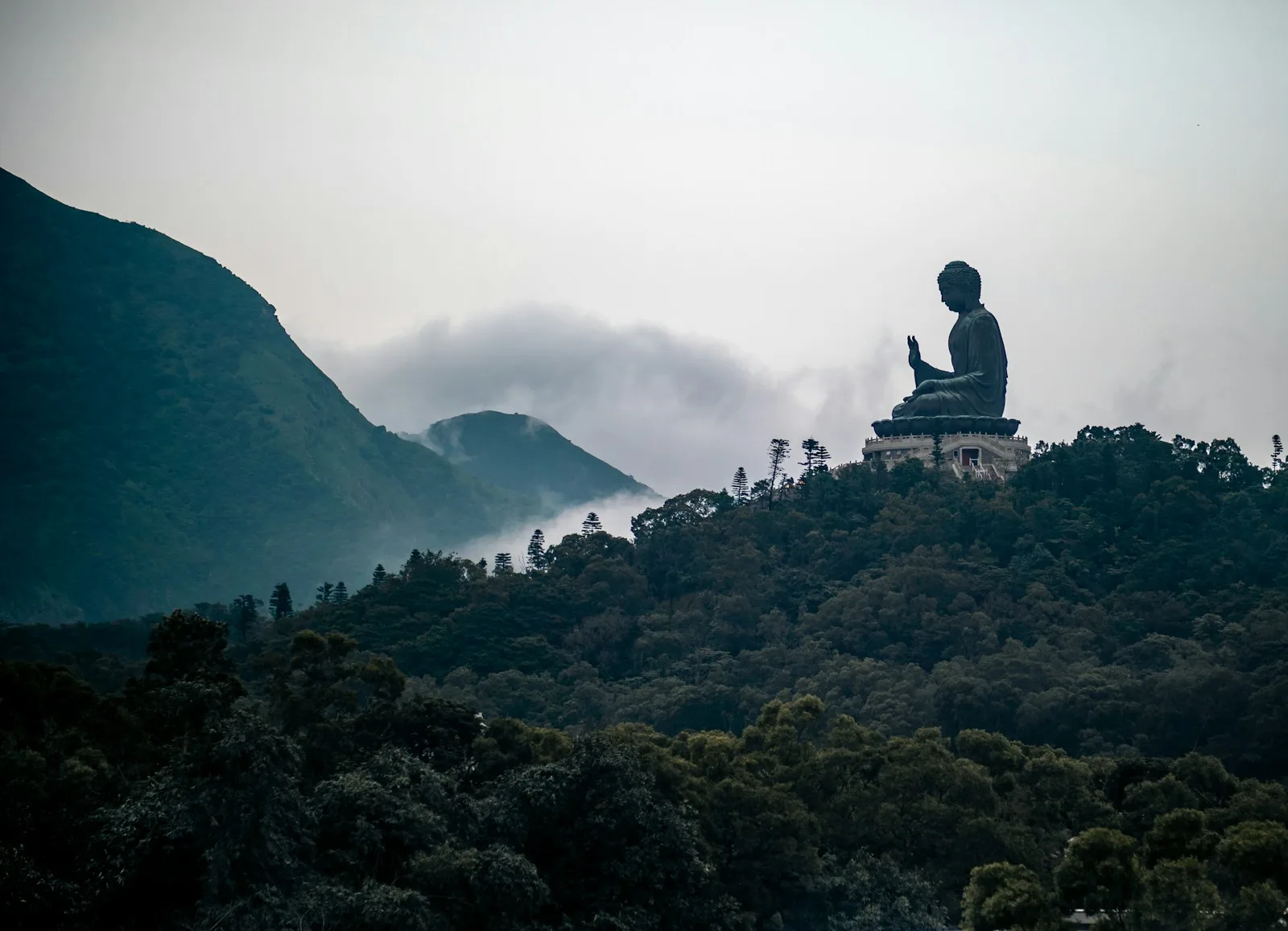
Leshan Giant Buddha carved into the cliffside.
03

Emei, Leshan, and the mountain as text

Mount Emei is one of China's four sacred Buddhist mountains; Leshan's Tang-era stone Buddha, carved into the cliff at the river's confluence, is the largest in the world. We approach both as pilgrimage routes, not photo stops.

Sichuan pickle jars and chilli in a traditional kitchen.
04

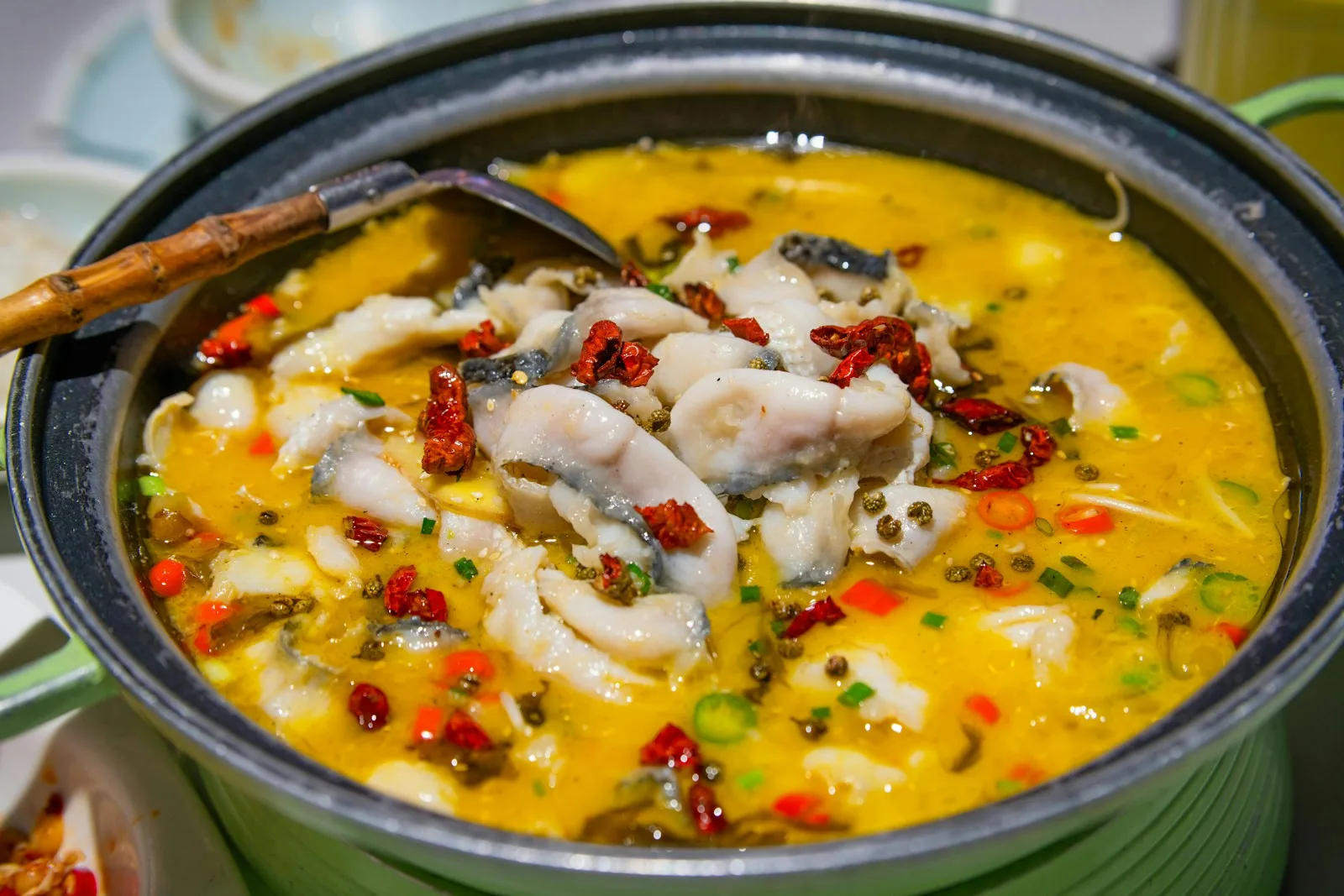
Cuisine as living craft

Sichuan food is famous for heat; it is also famous, among cooks, for precision. The mala balance, the twenty-three named flavour profiles, the pickle traditions — we meet the cooks who treat it as a thousand-year discipline.

How we work here

The kinds of encounters we shape.

We are not a tour company. We design specific encounters with the people, places, and disciplines that make this region itself. Each program is shaped to who is coming — these are starting points, not menus.

  • 01

    A morning at a Qing-era teahouse

    Bamboo chair, gaiwan, a conversation with regulars who arrived before sunrise.

  • 02

    The road into Kham

    A multi-day route through Tibetan villages and grasslands with a Tibetan-speaking guide who has worked these passes for years.

  • 03

    Pilgrimage walk on Emei

    Selected sections of the mountain with a Buddhist scholar — not the cable car version.

  • 04

    A Sichuan kitchen residency

    Days spent on a single dish, with a chef who can explain what mala is actually doing.

Photography by Xingchen Yan, ran liwen, Andy Arbeit, Jamie Street, jason hu via Unsplash.

Begin the Conversation

Bring your delegation, your institution, or your curious community to the real East.

Tell us who you’re bringing and what you’re looking for. We’ll design the program around it.