Skip to content
ArtoEast
中文
Wuyi Mountain peaks and tea valley, Fujian.
Destination · 福建

Fujian

Where Chinese tea, Chinese houses, and the Chinese ocean all begin.

Wuyi rock tea, Hakka tulou, Quanzhou's Maritime Silk Road port, and the Minnan cultures that built half of Southeast Asia.

Where you are

A region, not a route.

Fujian sits between the mountains and the sea, and both have shaped it. The interior produced the tulou — Hakka communal earthen houses that hold entire clans inside a single circular wall. The coast produced Quanzhou, which the Mongol-era court called the largest port in the world, and the Minnan diaspora that carried Fujianese culture to Taiwan, the Philippines, and Singapore. Few provinces have exported more, in both directions.

We work in Fujian because the province's two histories — the deep inland clan villages and the outward-facing port cities — are unusual in their density. Tea, architecture, and seafaring have all been refined here over centuries, and the people who hold those traditions are often still in the family houses where they were taught.

Where on the map

Fujian sits southeast coast.

Southeast coast · across the strait from Taiwan. The other five regions we work in are shown for reference.

  • Yunnan雲南
  • Guizhou貴州
  • Sichuan四川
  • Fujian福建
  • Guangdong廣東
  • Zhejiang浙江
YunnanGuizhouSichuanGuangdongZhejiangFujian
What you’ll encounter

The textures that make Fujian itself.

Wuyi Mountain tea cliffs, Fujian.
01

Wuyi rock tea and the original oolong

Wuyi Mountain is where oolong was invented and where the world's most expensive teas — Da Hong Pao among them — still grow on cliff ledges. The terroir is the point; the small differences between two adjacent cliffs are measured in flavour.

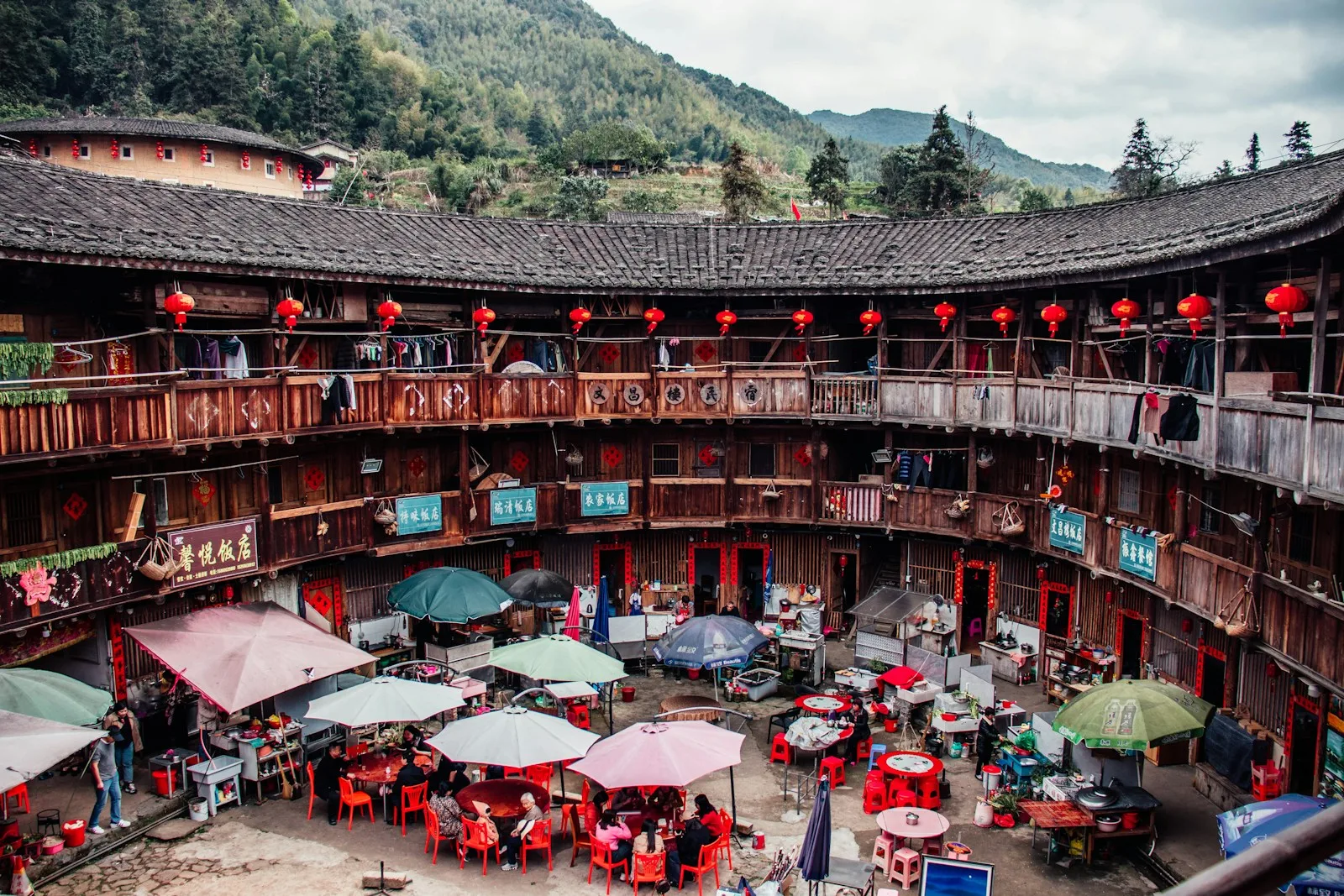
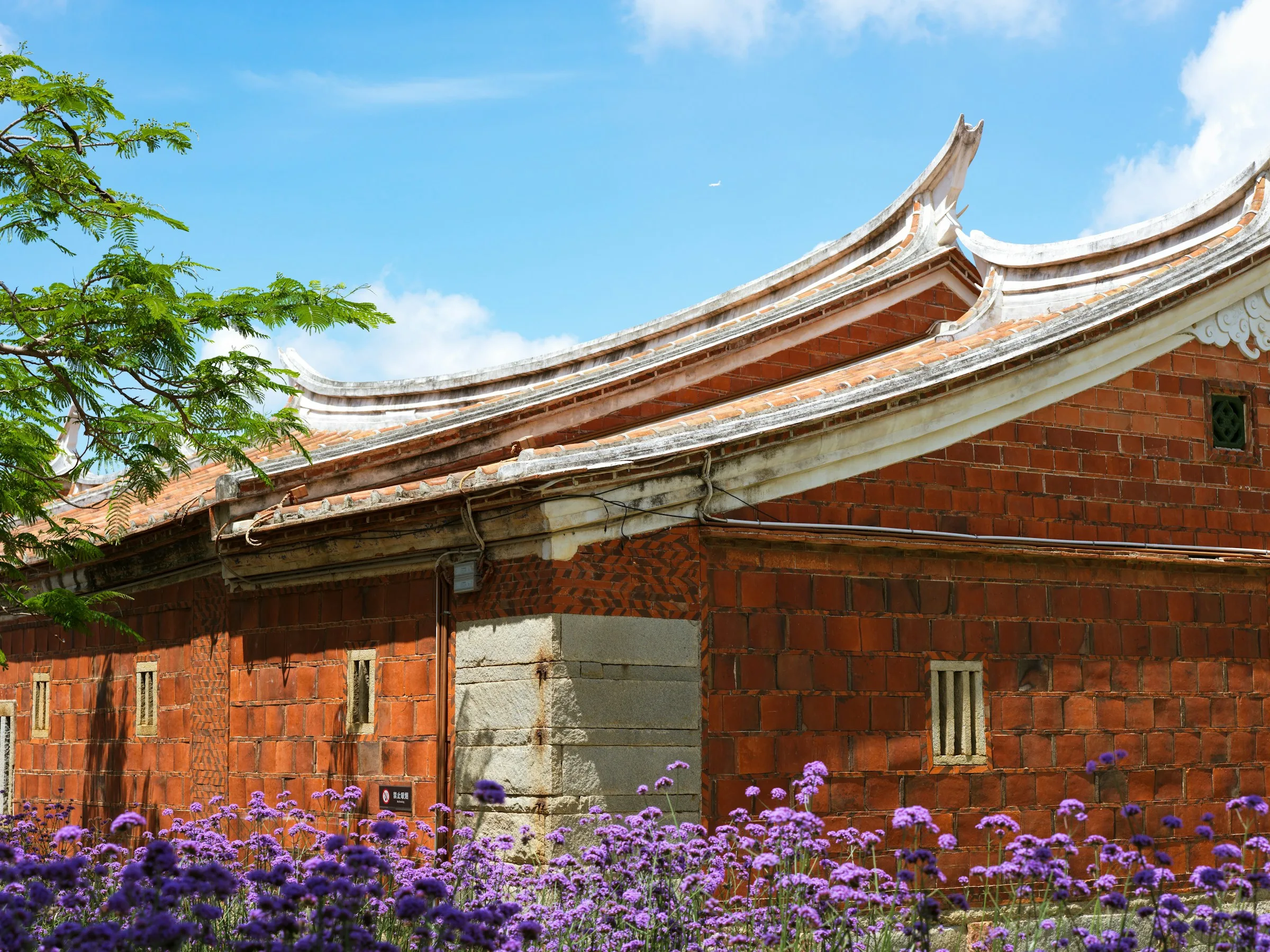
Hakka tulou earthen houses, Fujian.
02

Tulou — a clan inside a circle

Hakka tulou are circular and square earthen apartment buildings, some five hundred years old, that house entire extended families. The architecture is defensive, communal, and unlike anything else in the world. UNESCO listed forty-six of them.

Quanzhou ancient port and Islamic stone carvings.
03

Quanzhou and the Maritime Silk Road

Quanzhou was, for a few centuries, China's port to the rest of the world. Arab, Persian, and Tamil traders left mosques, cemeteries, and a remarkable cultural sediment. UNESCO recognised the whole site in 2021.

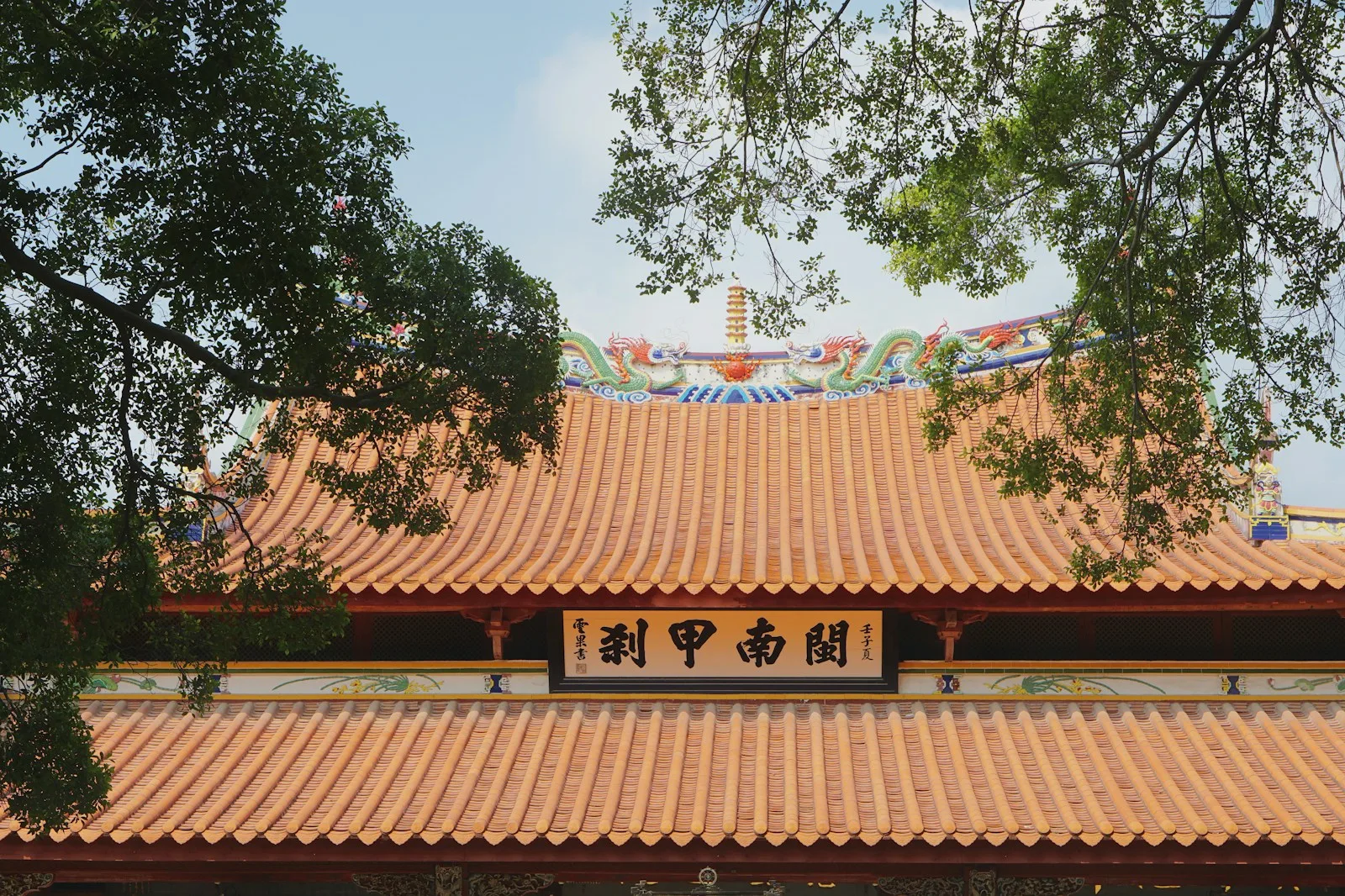
Minnan red-tile temple roofs and statues.
04

Minnan identity, here and overseas

Fujianese Minnan culture lives in southern Fujian, Taiwan, and across Southeast Asia. The temples, opera, and food carry across the diaspora; the home villages still hold the originals, often in conversation with what returned.

How we work here

The kinds of encounters we shape.

We are not a tour company. We design specific encounters with the people, places, and disciplines that make this region itself. Each program is shaped to who is coming — these are starting points, not menus.

  • 01

    A day on a Wuyi cliff plantation

    Pick, watch, brew, compare. The terroir lesson takes a full day to land.

  • 02

    Two nights inside a tulou

    Sleeping inside a living tulou with a Hakka family — not a museum version.

  • 03

    A historian's walk through Quanzhou

    The mosques, the Hindu carvings, the harbour stones. A guided reading of the layers.

  • 04

    Minnan opera rehearsal

    In a village temple courtyard, where the form was originally staged.

Photography by Zongnan Bao, Dayou Lu, Ryan Le, CY, yimin ma via Unsplash.

Begin the Conversation

Bring your delegation, your institution, or your curious community to the real East.

Tell us who you’re bringing and what you’re looking for. We’ll design the program around it.